
Calendar
January
Africa

Botswana
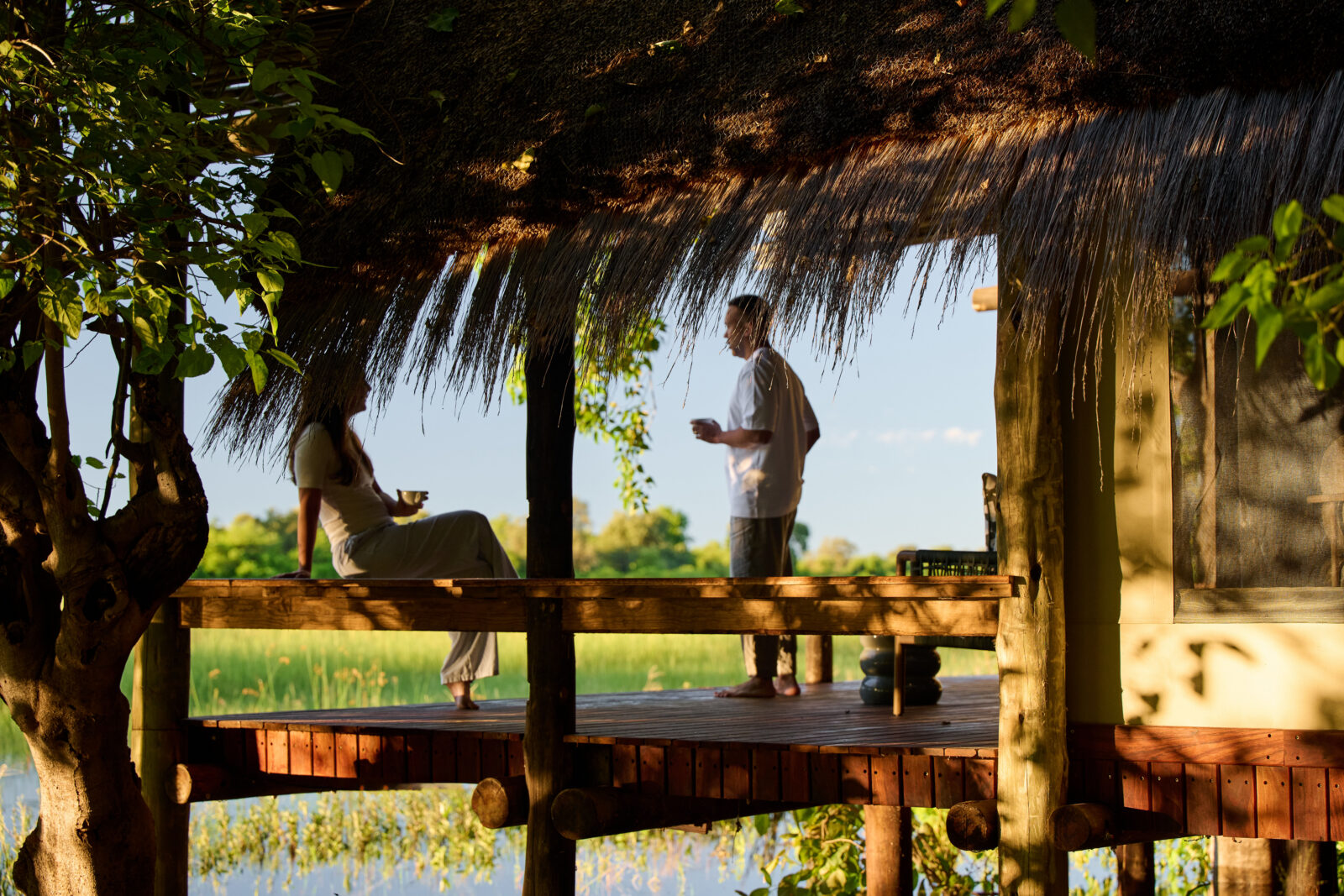
January is peak green season in Botswana, with lush landscapes, dramatic skies and excellent birdlife. Wildlife is more dispersed due to abundant water, but this is calving season, bringing plenty of young animals and increased predator activity. The experience feels exclusive with very few visitors, and photography is superb thanks to vibrant colours and clear air.
Zimbabwe
Zimbabwe in January is green, vibrant and relatively quiet, offering a more intimate safari experience. Wildlife remains good, particularly in Hwange, though animals are more spread out. Birding is excellent, and the landscapes are at their most beautiful. Occasional showers occur but rarely disrupt activities, and pricing is often more attractive.
Zambia
January falls in Zambia’s emerald season, with lush scenery, flowing rivers and outstanding birdlife. Many bush camps are closed, but permanent lodges offer a unique and peaceful safari experience. Wildlife is present but dispersed, while the real appeal lies in the beauty of the landscapes, dramatic skies and exceptional photographic conditions.
South Africa
January is midsummer in South Africa, offering hot, sunny weather in Cape Town and along the Garden Route—ideal for coastal exploration. Safari areas such as Kruger are green, with good wildlife viewing despite thicker vegetation. It’s a popular holiday period, but the country delivers a strong mix of safari, scenery and lifestyle experiences.
Namibia
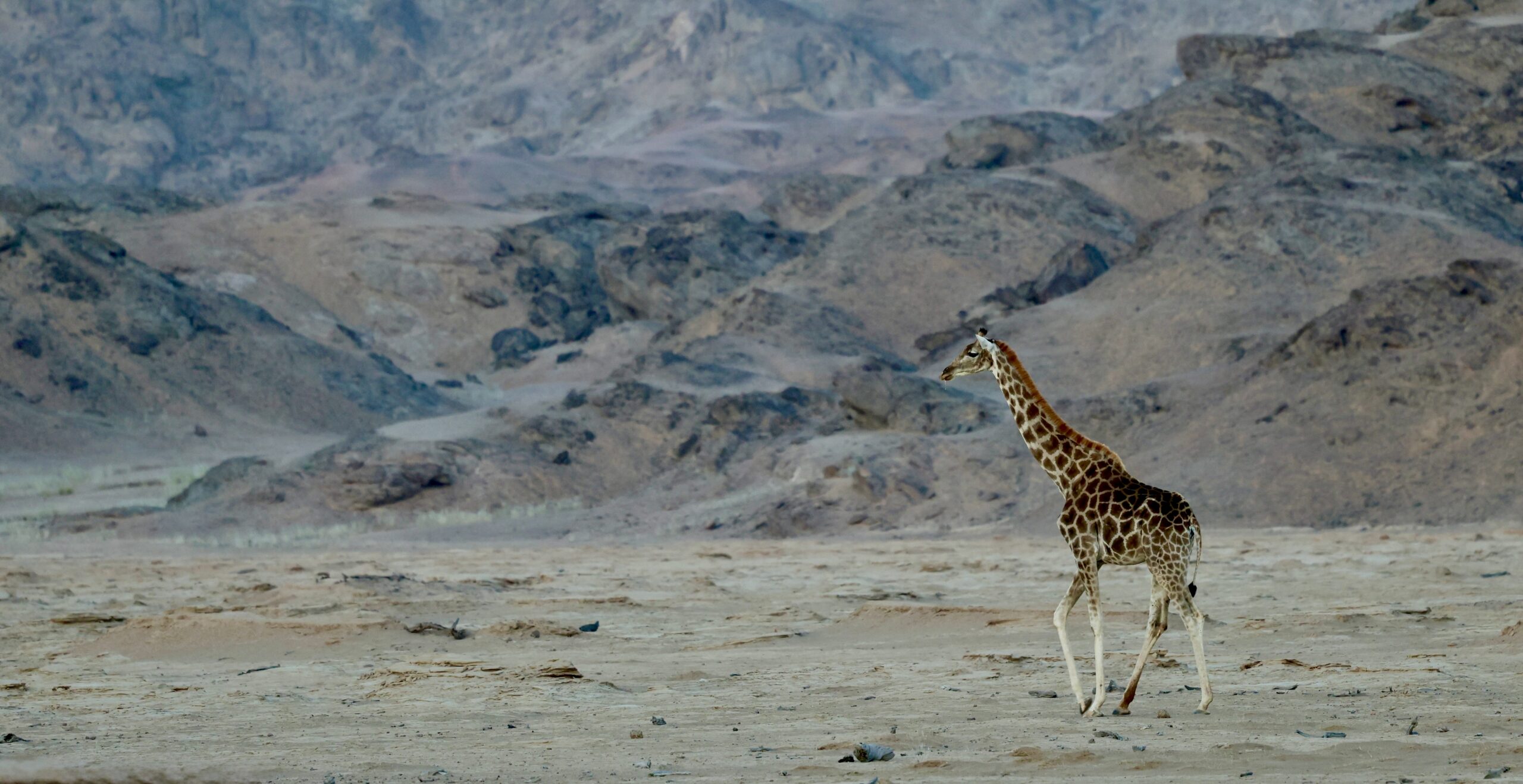
Namibia in January is green and dramatic, with occasional rains transforming normally arid landscapes. Wildlife viewing can be more challenging as animals disperse, but Etosha still offers good sightings around waterholes. The skies are striking, making this a rewarding time for photographers, and visitor numbers remain low.
Kenya
January is an excellent safari month in Kenya, with warm, dry conditions and strong wildlife viewing across key regions. Animals are easier to spot as vegetation begins to thin, and predator activity is often high. Birdlife remains excellent, and there are fewer crowds than peak migration season, making for a well-balanced safari experience.
Tanzania
January marks the start of the calving season in the southern Serengeti, where vast herds gather and predators follow. Wildlife density is exceptional, offering dramatic and rewarding game viewing. Conditions are generally warm with occasional showers, while the lush landscapes and abundance of young animals make this a standout safari period.
Malawi
January is part of Malawi’s green season, bringing lush scenery, vibrant landscapes and excellent birdlife. Wildlife viewing in parks such as Liwonde remains possible, though animals are more dispersed. Fewer visitors create a peaceful atmosphere, and the country’s combination of lake and safari experiences remains appealing.
Uganda
Uganda in January offers good conditions for gorilla and chimpanzee trekking, with relatively drier weather compared to other green season months. Forests are lush and beautiful, and visitor numbers are lower than peak periods. Wildlife viewing in savannah parks remains rewarding, making this a well-rounded time to visit.
Rwanda
January is a good time for gorilla trekking in Rwanda, with relatively stable conditions and fewer tourists. The landscapes are lush and dramatic, and trekking conditions are manageable despite occasional rain. The overall experience is intimate and rewarding, with excellent photographic opportunities in the forests.
Central African Republic
January is in the dry season, making it one of the best times to visit Dzanga-Sangha. Wildlife viewing is excellent, with forest elephants, lowland gorillas and other species regularly seen at clearings. Conditions are comfortable, and access is easier, offering a unique and remote safari experience.
Chad
January is one of the prime months to visit Zakouma National Park, with dry conditions concentrating wildlife around water sources. Large herds of elephants, buffalo and antelope are common, along with strong predator activity. Visitor numbers are very low, creating a highly exclusive and rewarding safari experience.
Zanzibar
January is hot, sunny and dry in Zanzibar, offering ideal beach conditions. The seas are calm and clear, perfect for snorkelling and diving. It’s a popular time to visit, with a lively atmosphere, but the combination of excellent weather and beautiful beaches makes it a superb post-safari destination.
Mafia Island
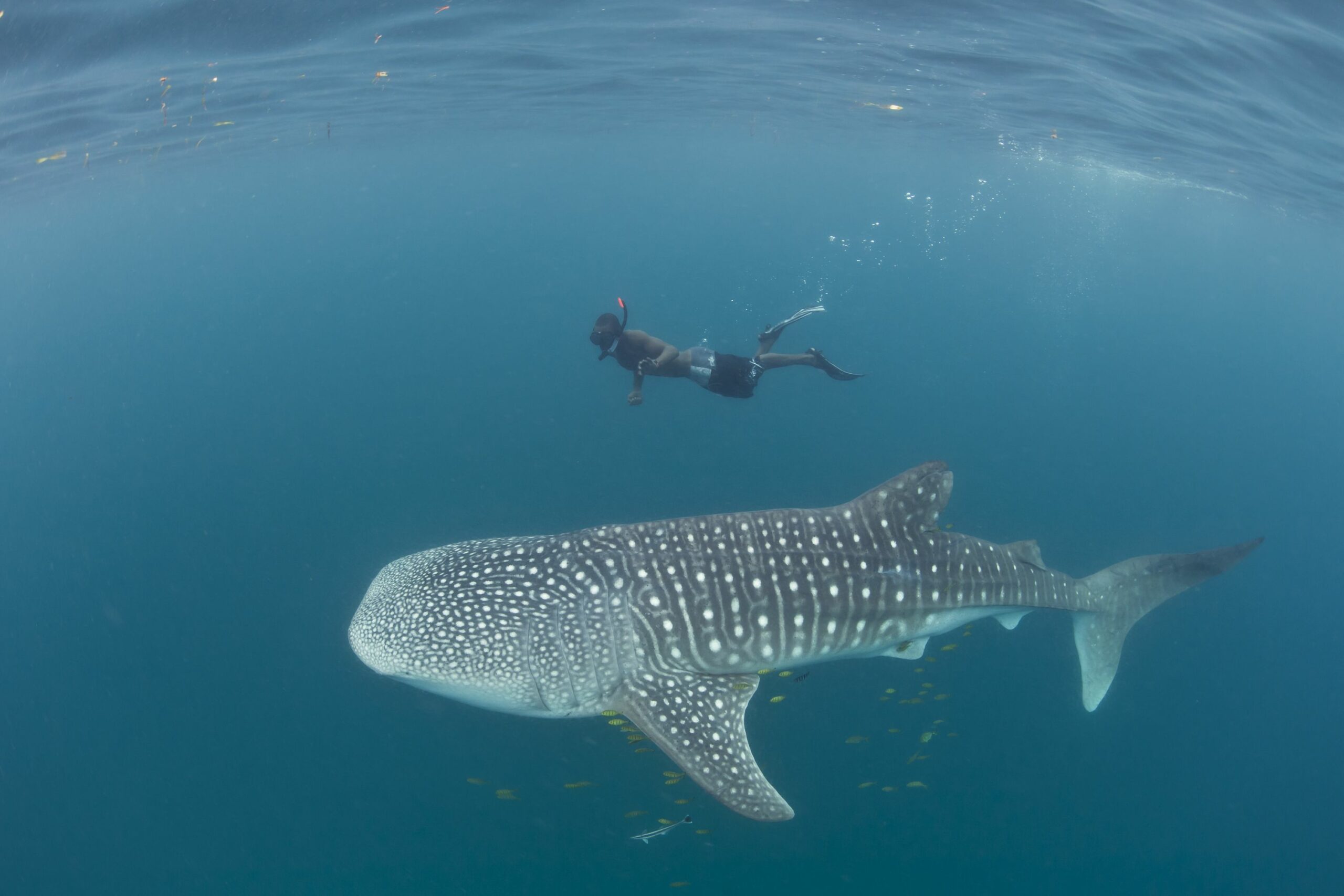
January is one of the standout months, with hot, sunny conditions and calm seas. It’s peak whale shark season, with regular sightings in the waters around the island, often in excellent conditions for snorkelling. The combination of marine activity, warm water and relatively low visitor numbers makes this a highly rewarding time to visit.
Pemba Island
January is hot and humid, with lush landscapes and warm seas. Conditions are generally good for diving, with healthy reefs and good visibility, though occasional showers can occur. It’s a quieter time to visit, offering a peaceful and authentic island experience with fewer crowds.
Mozambique
January is hot, humid and deep in the rainy season, with lush coastal vegetation and warm seas. Heavy showers can interrupt plans, but marine life remains strong, particularly for manta rays and reef species. It’s a quiet, off-peak time, better suited to relaxed beach stays than structured diving itineraries.
Madagascar
January is peak wet season, with heavy rains and cyclone risk, particularly on the east coast. Travel can be disrupted, but wildlife remains active—lemurs, chameleons and frogs are particularly visible in the rainforests. Best suited to specialist, flexible itineraries focused on biodiversity rather than ease of movement.
Republic of Congo
January is within a key dry window in Odzala-Kokoua, with good forest access and productive western lowland gorilla tracking. Forest elephants regularly visit bais (clearings), alongside sitatunga and forest buffalo. Birdlife is strong, and river travel is reliable, making it one of the best months for immersive rainforest exploration.
Indian Ocean and Sub-continent
Mauritius
January is hot, humid and tropical, with lush landscapes and warm sea temperatures. Short, sharp showers are common, but there is still plenty of sunshine between them. It’s a vibrant time to visit, with excellent snorkelling and diving conditions, though occasional tropical storms can occur. Ideal for those seeking warmth and a lively island atmosphere.
Seychelles
January falls within the northwest monsoon, bringing warm temperatures, calm seas and occasional tropical showers. Conditions are excellent for swimming and snorkelling on western-facing beaches, while the islands remain lush and vibrant. It’s a beautiful time to visit, with fewer crowds and a relaxed, tropical feel.
Maldives
January is one of the best months in the Maldives, with dry, sunny weather, low humidity and calm seas. Visibility for snorkelling and diving is excellent, particularly on western atolls. It’s a peak travel period, offering ideal beach conditions and consistently high-quality resort experiences.
Sri Lanka
January is one of the best months to visit Sri Lanka’s south and west coasts, with dry, sunny weather and calm seas. It’s perfect for beaches, cultural sites and wildlife parks like Yala. The hill country is cooler and clear, making it an excellent all-round time to explore the island.
India
January is one of the best months to visit much of India, with cool, dry conditions across northern and central regions. It’s ideal for cultural touring and wildlife safaris, with parks like Ranthambore and Bandhavgarh offering excellent sightings. Southern India is warm and pleasant, making it a strong all-round travel period.
Bhutan
January is cold but clear, with crisp mountain views and bright blue skies. Higher passes may be snow-covered, but lower valleys remain accessible. It’s a quiet time to visit, offering a peaceful experience and exceptional visibility of the Himalayas.
+44 1984 667420 or sue@trackssafaris.co.uk
Our expert staff are on-hand, happy to assist with any enquiry you have.