In May, Tracks Safaris travelled through Namibia to experience the remarkable contrasts that make this country unlike anywhere else in Africa. We made our way to Windhoek via Johannesburg, travelling overnight from Heathrow. An overnight stay at Olive Grove Guesthouse gave us time to unwind before setting out on a two-week journey through desert landscapes, remote wilderness and some of Namibia’s most remarkable camps. Popular with both self-drive travellers and fly-in safaris, it is a comfortable and welcoming start to any Namibian adventure.

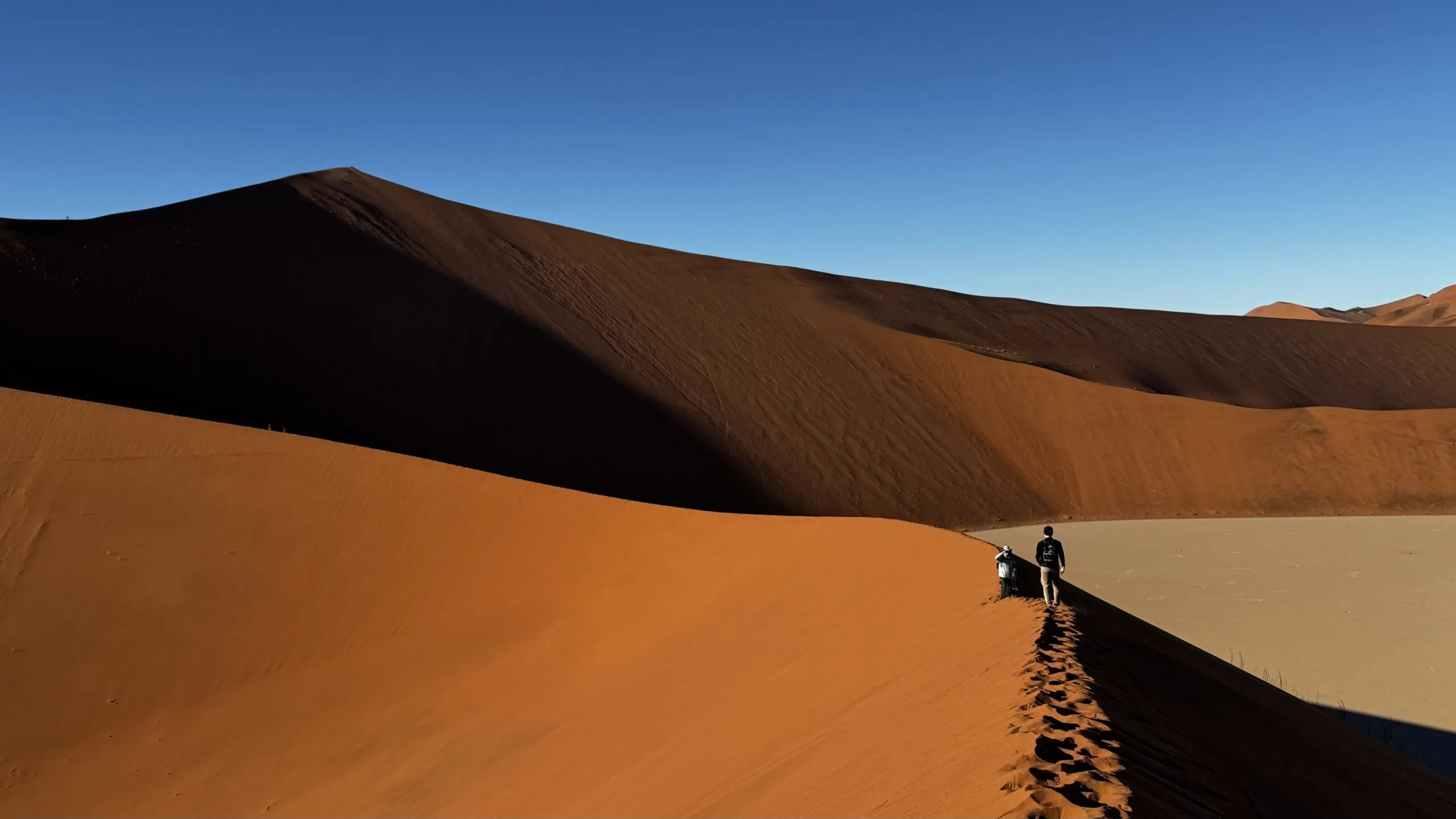
Our first camp was Kulala Desert Lodge on the edge of the dunes with private access to Sossusvlei National Park. This exclusive access gives guests a valuable head start in the cool early morning before the heat of the day builds. Some make it all the way to the 325-metre summit of Big Daddy, climbing steadily along the knife-edge ridge of shifting sand, while others wisely turn back earlier and simply enjoy the extraordinary views. In the early morning light, the burnt-orange dunes against the deep blue sky hardly seem real.
All rooms have star bed options, allowing guests to sleep beneath Namibia’s spectacular night sky. During our sundowner drive Venus and Jupiter appeared first, followed quickly by thousands of glittering stars and then the Milky Way stretching across the desert darkness.
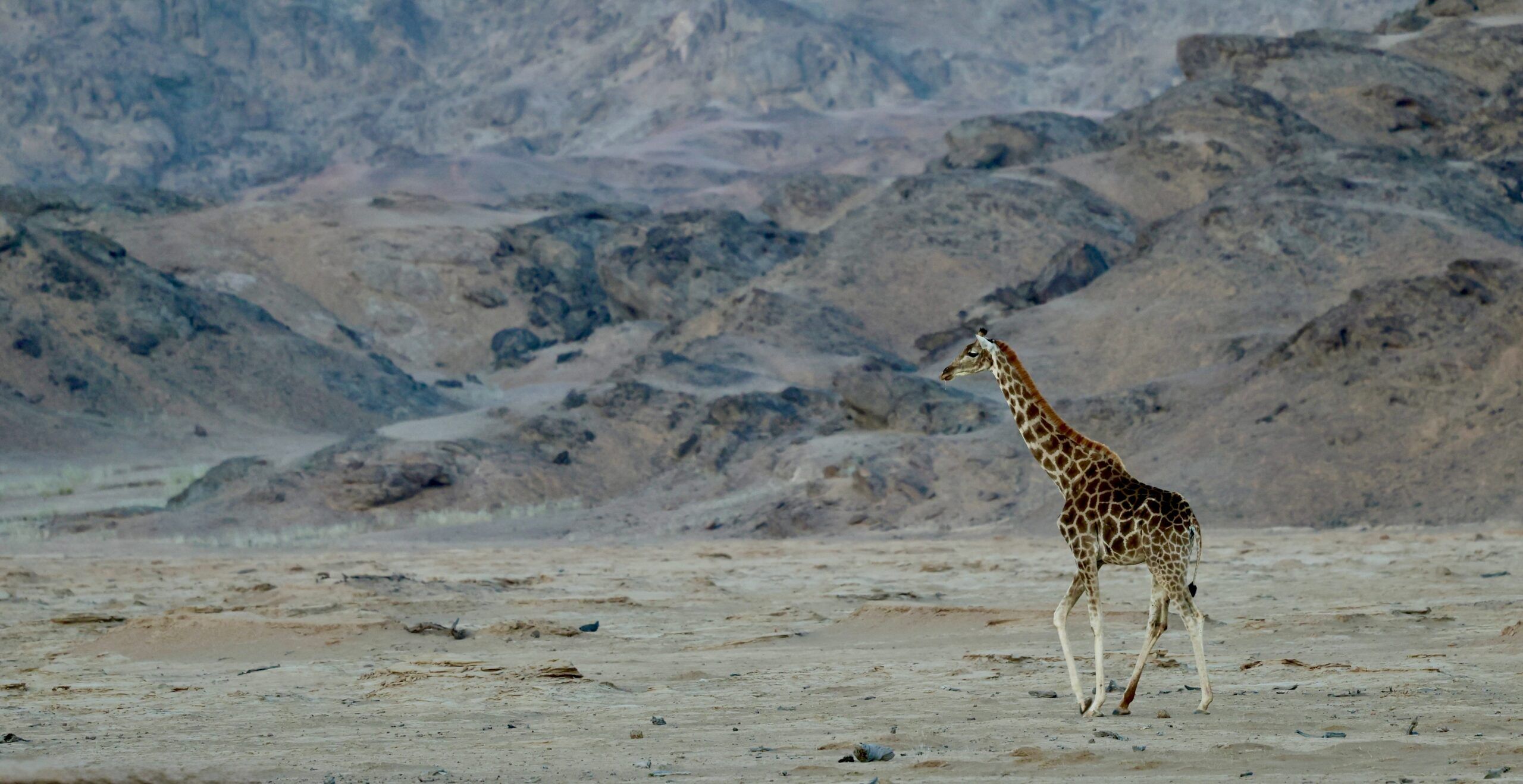
A striking contrast to Sossusvlei, our second stop was Damaraland. This wild and rugged landscape is home to desert-adapted elephants which we found grazing quietly along a dry river bed. Smaller and longer-legged than their savannah cousins, they are perfectly adapted to travelling vast distances in search of water. Granite koppies rose around us, with the Brandberg Massif — Namibia’s highest mountain — dominating the distant horizon.
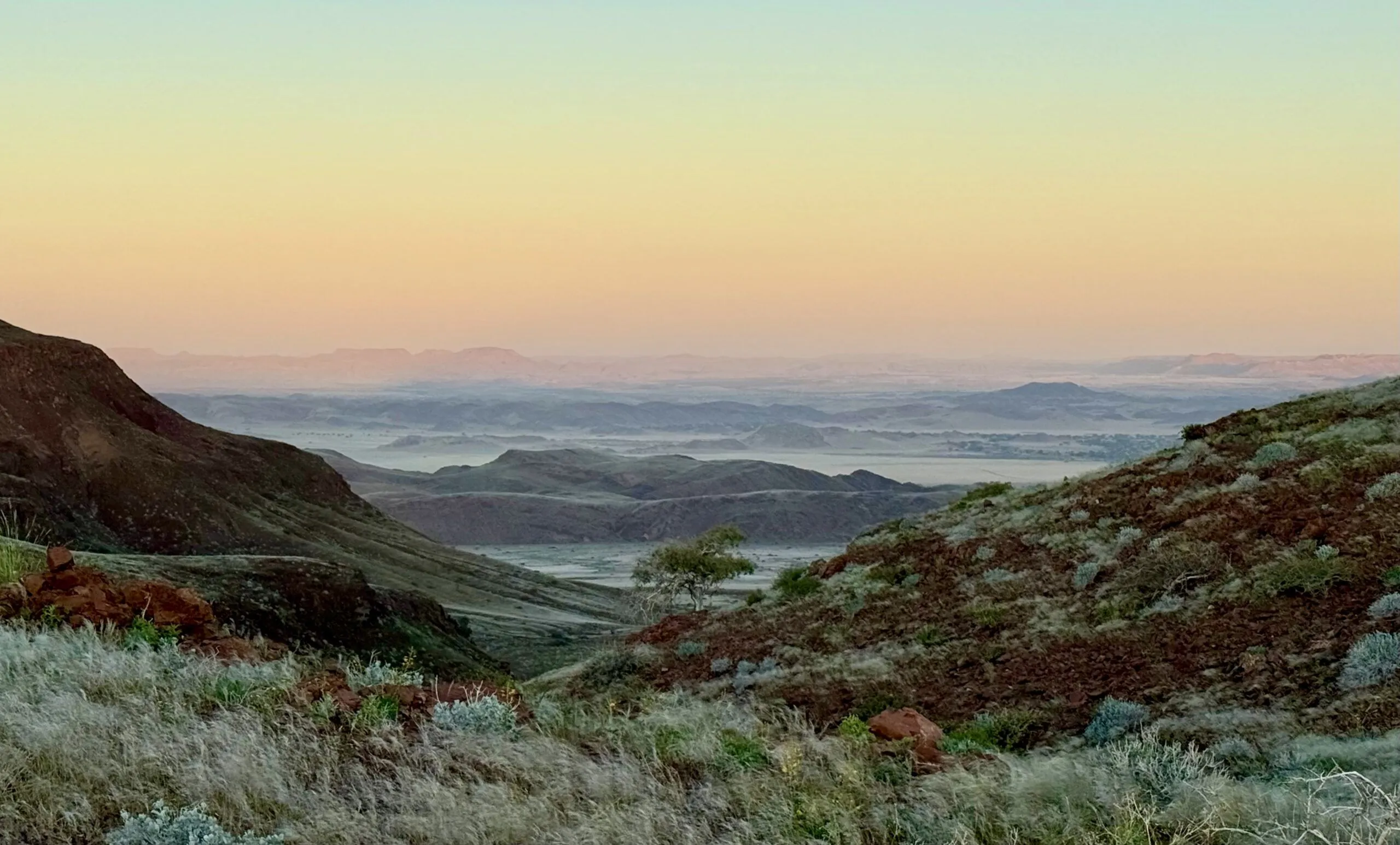
Damaraland Camp’s wonderful setting is matched by an enthusiastic and knowledgeable team. A traditional boma dinner and sunrise breakfast overlooking the river valley will remain long in the memory.

We travelled between camps by light aircraft during our stay in Namibia. Not only does this reduce travel time considerably, it also offers a bird’s-eye view of the changing desert landscapes below. The journey to our third camp lasted only around 90 minutes, but arriving at Hoanib felt like landing on another planet.
Hoanib Camp has its own waterhole, but we headed out in search of giraffe, oryx and desert-adapted lion. We were fortunate. Opi, a well-known lion in the area, had not been seen for several weeks, but our guide spotted fresh tracks in the sand and followed them into the dry river system. Minutes later we found Opi resting on a bank above the river bed. It was a reminder of just how much knowledge experienced local guides bring to every safari.
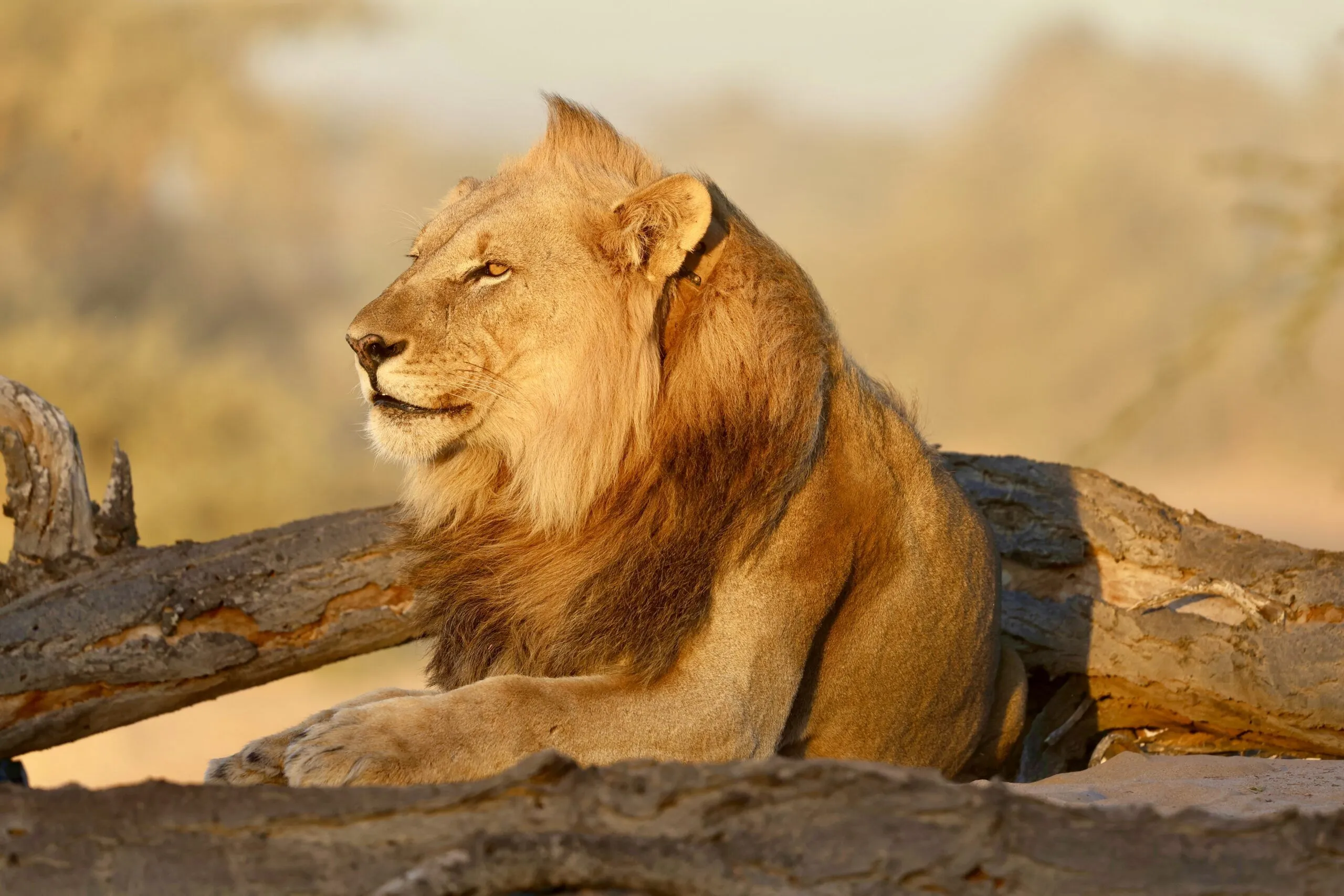
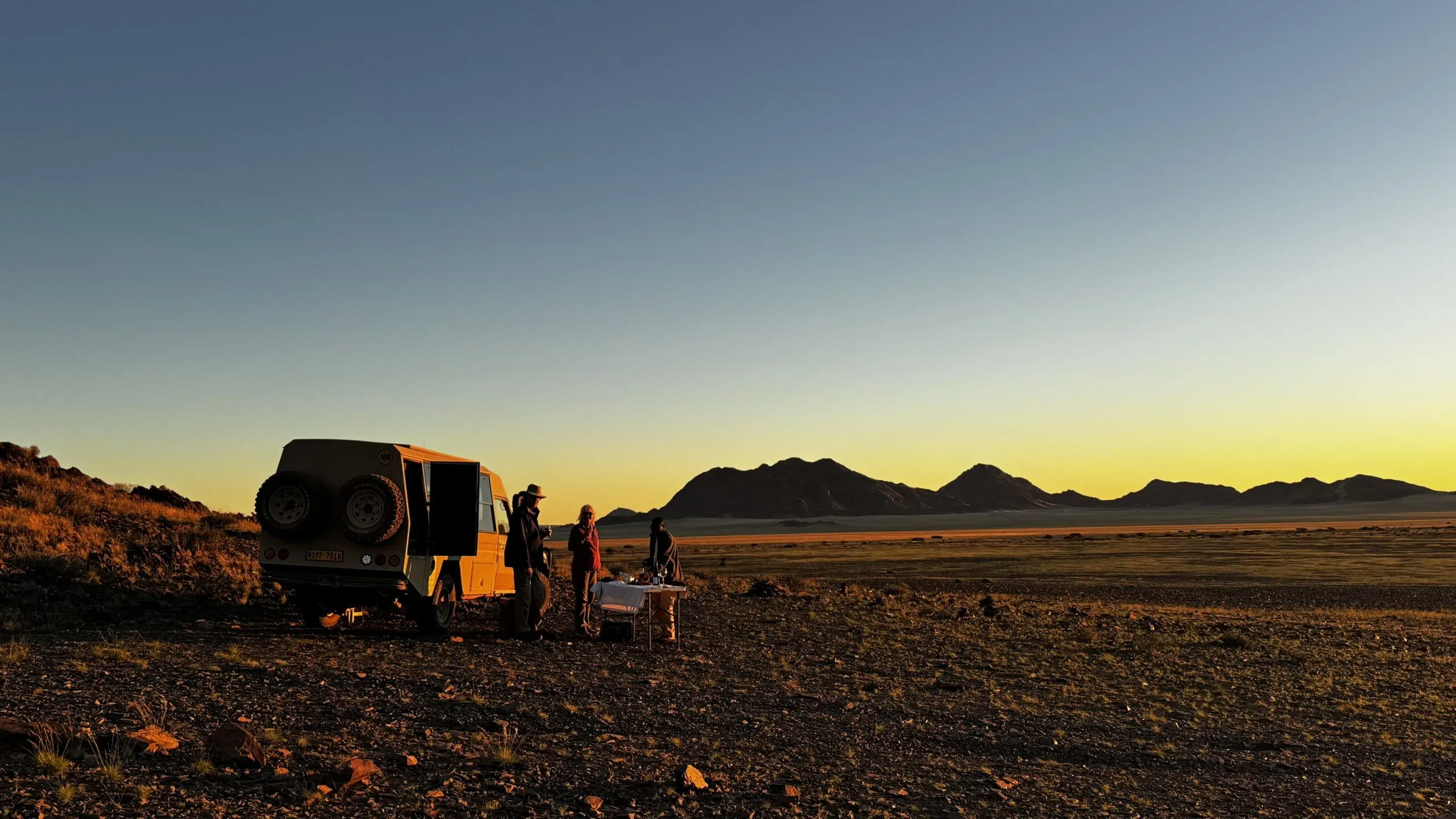
Later that evening, as the sun dropped lower and the wind began to rise, drifting sand swept across the landscape creating an almost surreal atmosphere. Sundowners beside the vehicle only added to the sense that Namibia delivers safari experiences unlike anywhere else.
Stop number four was the exclusive Desert Rhino Camp, home to just six tents and a remarkable conservation mission. Staying at Desert Rhino Camp offers rare insight into the work being done to protect black rhino for future generations. A full-day rhino tracking experience begins early, with trackers setting off ahead of the safari vehicles in search of fresh spoor.
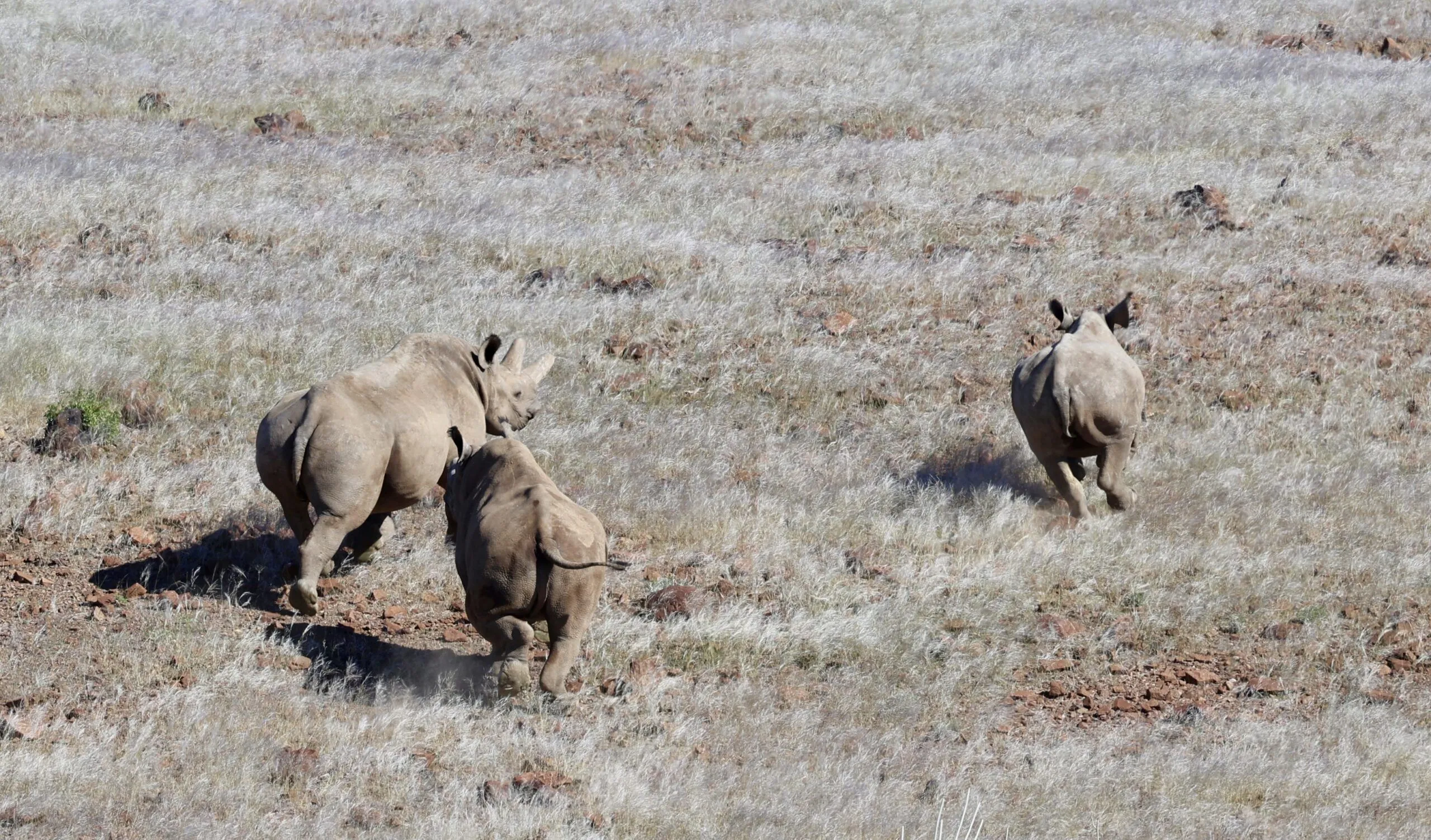
Once the rhino had been located, the vehicles were left behind and we continued on foot, walking silently in single file into the wilderness. Encountering black rhino on foot in such a remote landscape is a genuinely moving experience.
After the tracking experience we returned to the vehicles and drove to a sheltered dry river bed for a barbeque lunch while sharing reflections on the morning’s adventure. It became one of the defining moments of the entire journey. The enthusiasm of the trackers for sharing their knowledge and love of the rhino is infectious and permeates the entire camp experience.
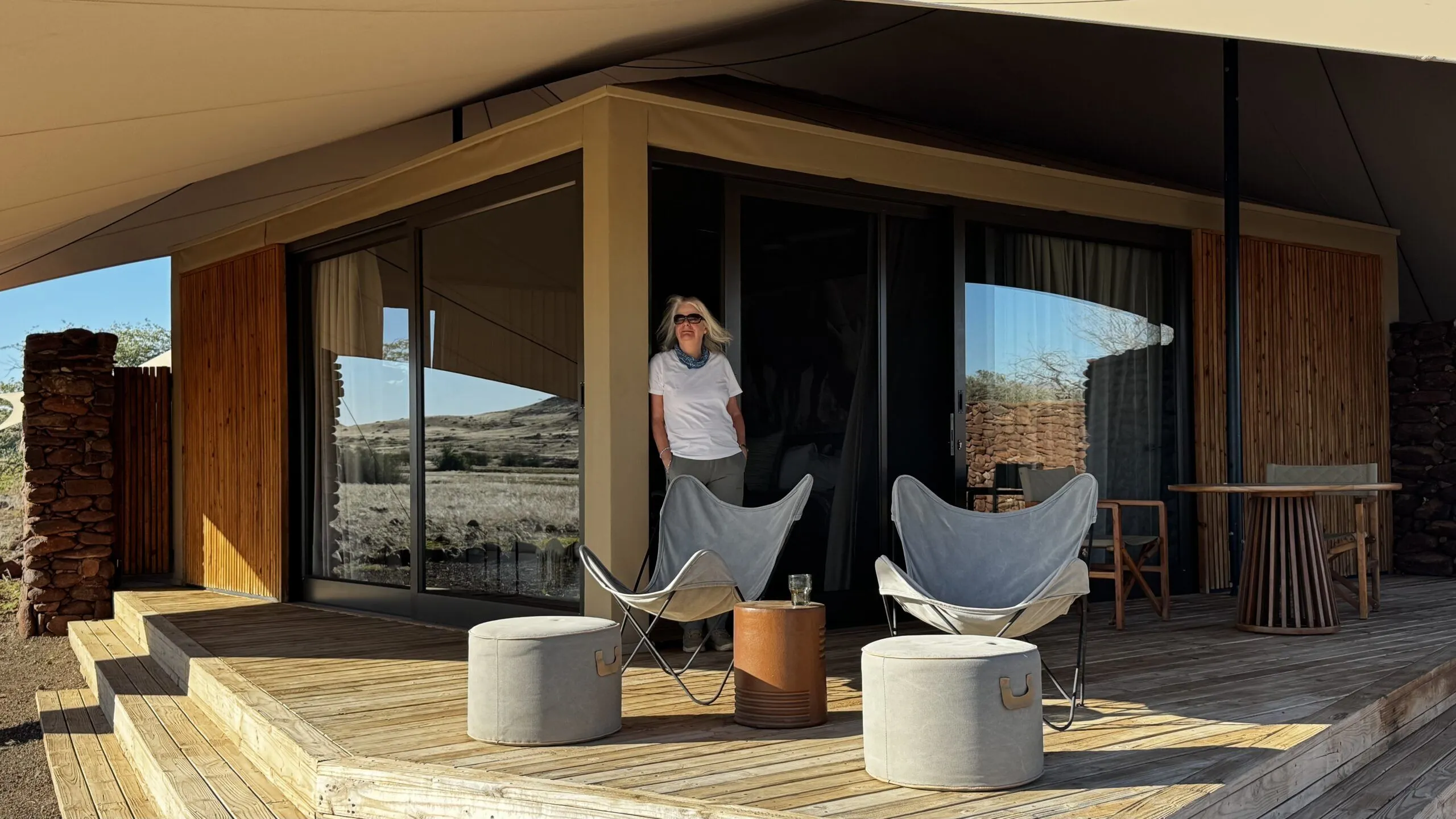
The next four days were spent exploring Etosha. We began with two days in the Ongava Reserve on the western edge of the national park. Anderssons offers spacious and luxurious accommodation centred around a busy waterhole, with excellent wildlife viewing directly from the dining area and even a tunnelled hide that brings guests remarkably close to the animals.
Here we enjoyed sightings of both black and white rhino together with elephant and plains game moving through the reserve. Ongava is rich in wildlife and offers a more peaceful safari experience than the busier public areas of Etosha itself.
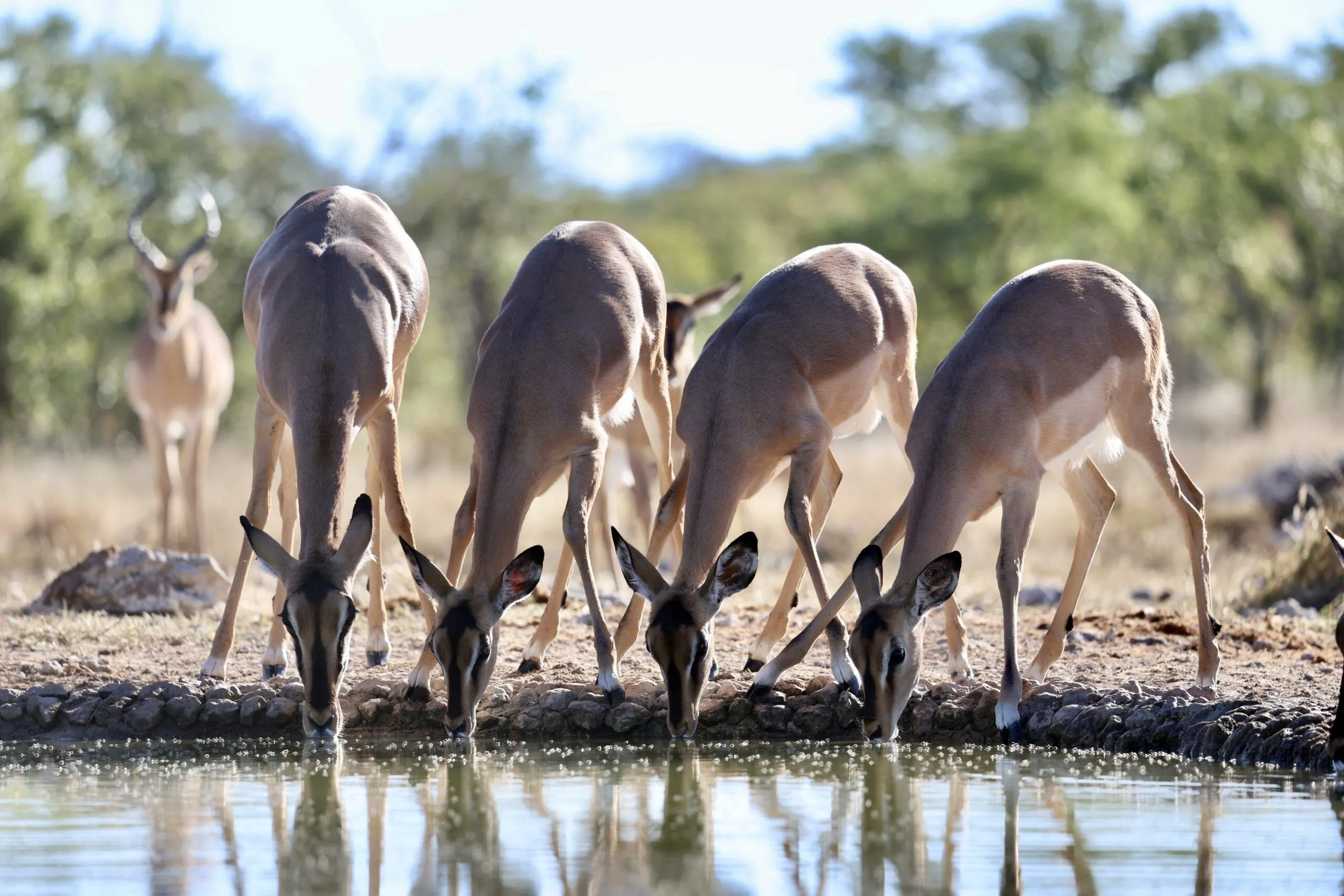
Ongava sits directly adjacent to Etosha National Park, giving quick and easy access through Andersson’s Gate. In an open safari vehicle the morning drives can feel surprisingly cold and dusty, making lightweight jackets and buffs invaluable before the midday heat arrives. Etosha feels very different from the savannah landscapes of East Africa, with wildlife concentrated around the waterholes that punctuate the dry terrain.
Elephant, giraffe, oryx, springbok and lion were all seen during our time in the park. Unlike many safari destinations, wildlife sightings in Etosha are often shared with self-drive visitors and organised safari vehicles alike. It is rarely difficult to tell when something exciting has been spotted.

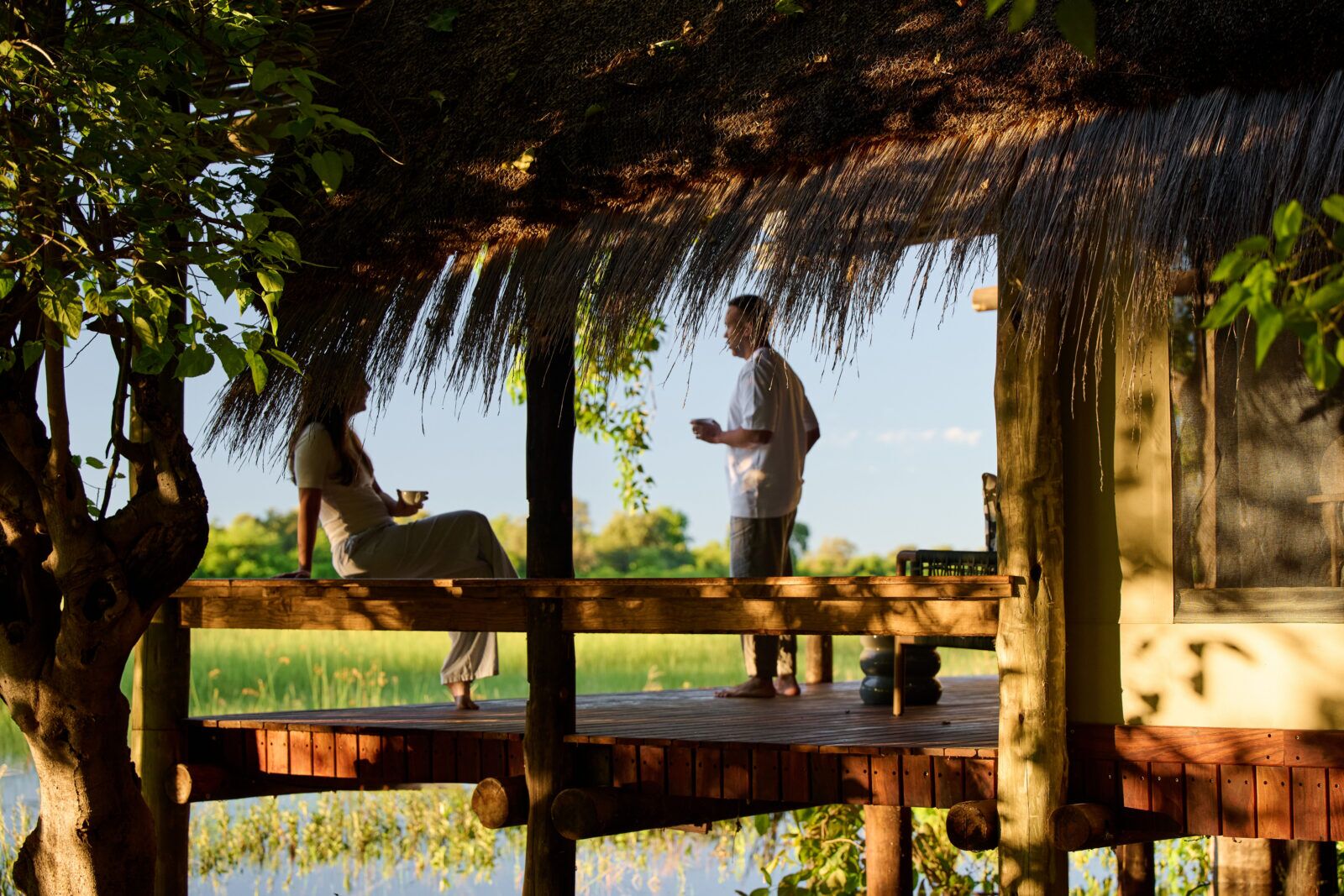
Our final stop was Onguma Tented Camp, a picture-perfect camp arranged around its own waterhole on the eastern edge of Etosha. Few safari experiences rival sitting quietly on your private deck while wildlife drifts in and out of the waterhole below.
Following good rains earlier in the year, the reserve was surprisingly green and lush. On our very first evening drive we enjoyed a close encounter with a relaxed bull elephant together with a fleeting glimpse of a young leopard guarding its kill.
Morning access into Etosha was via the Von Lindequist Gate where our guide’s experience helped us navigate the entrance procedures quickly and efficiently. During our final game drives we enjoyed excellent sightings of lions with cubs gathered around a waterhole together with a cheetah moving purposefully through the scrub in the early morning light.

Etosha is an extraordinary landscape covering an area larger than South Africa’s Kruger National Park. The vast white pan of the ancient dried lake at its centre gives the park an almost other-worldly atmosphere.
As we prepared to return home via a final overnight stay in Windhoek, we reflected on what makes Namibia such a compelling destination. Although we were fortunate with wildlife sightings — lion, cheetah, rhino, elephant and giraffe among them — Namibia leaves its greatest impression through its landscapes and atmosphere.
Watching desert colours shift with the setting sun, drink in hand and an expert guide beside you, is one of the great pleasures of travelling through Namibia. Namibia stays with you long after you return home.
We also visited The Weinberg in Klein Windhoek, a stylish alternative for travellers seeking additional comfort and a more leisurely stay in the capital. With beautiful views towards the surrounding hills, it would make an excellent base for exploring Windhoek in greater depth. Namibia’s beauty sits alongside a complex history shaped by colonialism, conflict and resilience — a story that still echoes through the country today.
If Namibia has sparked your imagination, we would be delighted to help you plan the journey that is right for you. Please call Tracks Safaris on 01984 667420 for personal advice and first-hand recommendations from our recent travels.
Call 01984 667420 or Email sue@trackssafaris.co.uk
Our expert staff are on-hand, happy to assist with any enquiry you have.