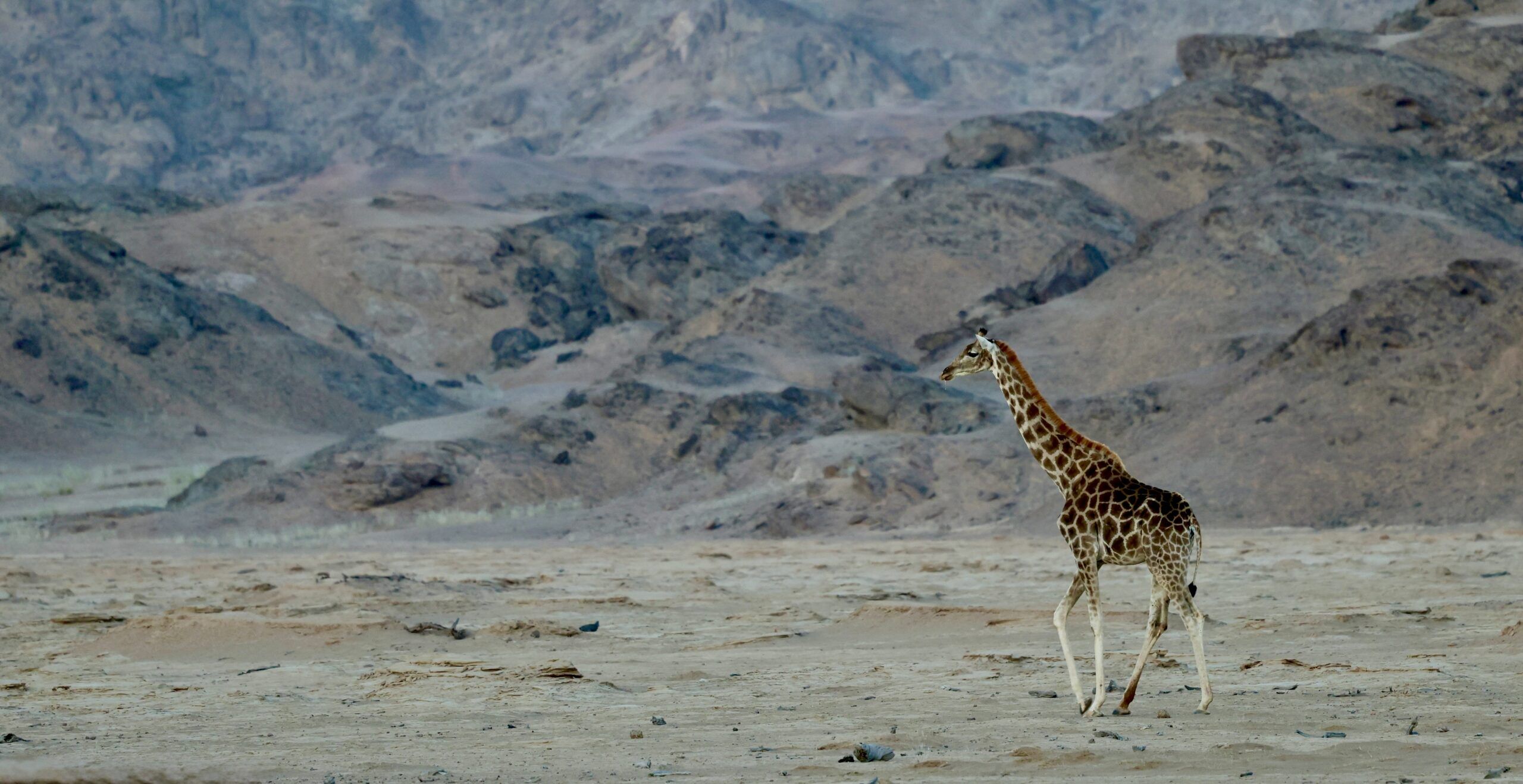
June 2026 saw Sue Preater – MD of Tracks Safaris – travelling to northern Kenya to revisit some camps and explore other camps, lodges and wildlife experiences in the region.
Key on my list of objectives to visit northern Kenya was to put national parks and reserves to one side for a moment and concentrate on what was available in an area which can typically take a back seat to the larger, well known Mara area of Kenya.
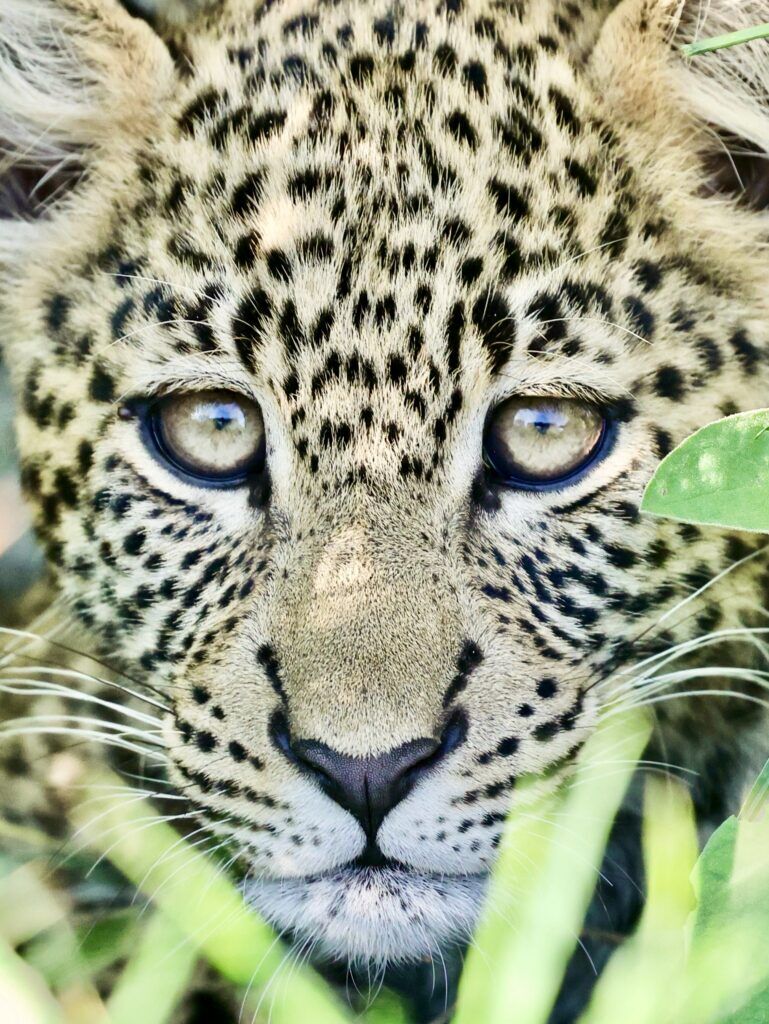
Having visited Kenya around 15 times I have already visited most areas of Kenya for work – both in terms of safari and coast areas – but I wanted to see the conservancy model at work, to discover the power of the conservancy model in northern Kenya, take a closer look at community led tourism and conservation. Assess and experience just 100% northern Kenya. What struck me most were the contrasts – not only in the habitats, activities, wildlife and birdlife, but also the different communities who live in and around the conservancies.
The conservancy model was pioneered in Kenya and thrives. It empowers communities, often pastoralists marginalised in the past, to co-survive in conjunction with cattle ranching, which in turn encourages wildlife for tourism, and the creation of essential wildlife corridors and safe areas for that wildlife.
The benefits are easy to see – communities set ancestral lands aside for conservation, and landowners receive fair lease payments, the communities improved job opportunities, training and education bursaries, and funding for essentials such as clean water. It’s a win – win situation.
And it is easy to see for yourself how conservancies are enriching local lives and protecting precious wildlife and wildlife corridors. You can delve deeper into the conservation side or just enjoy viewing the wildlife – it is totally up to you. Activities at the conservancy headquarters include monitoring rhinos and tracking lions with rangers, anti-poaching dogs at work, visiting communities …
It’s a short light aircraft flight from Nairobi’s Wilson Airport to Nanyuki – considered the gateway to the Laikipia region – although many of the conservancies have their own airstrips.
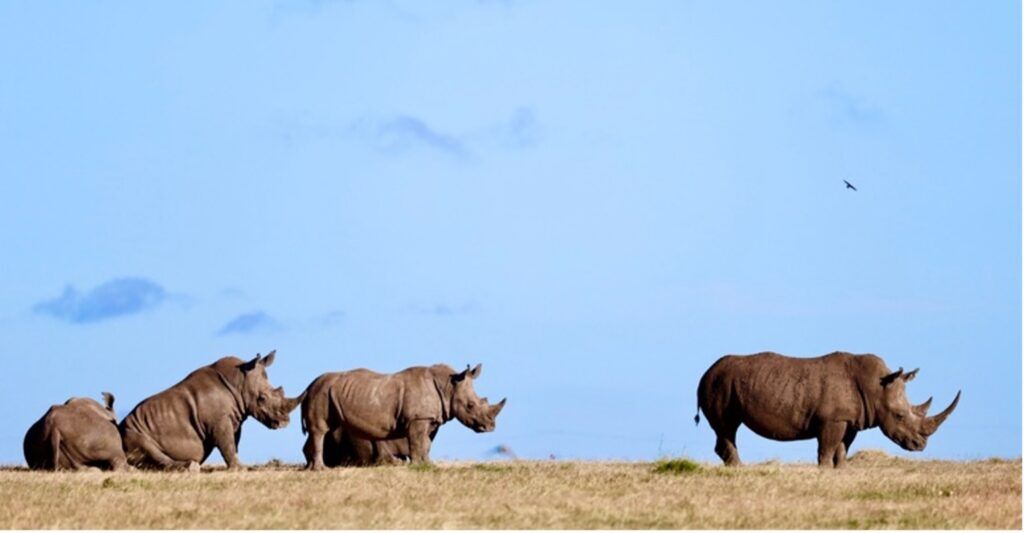
First stop was Ol Pejeta Conservancy a 90,000 acre private wildlife sanctuary located in Laikipia County – home to the last remaining northern white rhinos. It is also home to the Big Five, the Sweetwaters Chimpanzee Sanctuary and East Africa’s largest population of black rhinos.

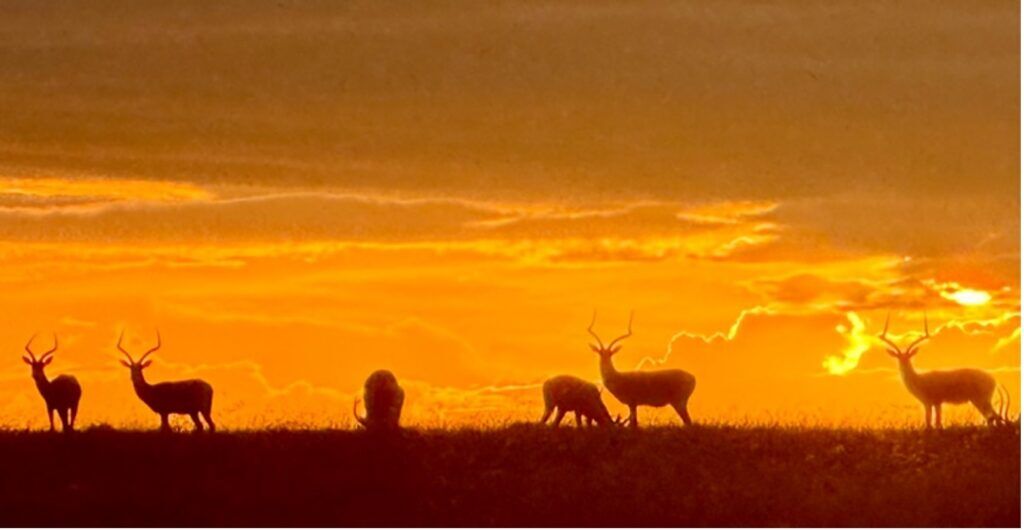
The conservancy offered exceptionally varied wildlife viewing from lions, leopards and cheetah to herds of elephants, reticulated giraffes, spotted hyena and jackal. Elands graze beside impalas, Thompson’s gazelles and both the endangered Grévy’s zebra and the common Plains (Burchell’s) zebra.
Whilst in Laikipia I visited three small camps – Kicheche Laikipia, Sanctuary Tambarare and Porini Rhino Camp – all similar in that conservation and community development are key objectives – all with excellent guiding and differing purely on level of comfort in camp and the budget needed to spend time there. Rhino Camp has a photographic hide – anyone keen on photographing wildlife during siesta from a custom-built hide might like to look at Porini Rhino Camp.
Leaving Ol Pejeta Conservancy behind my next stop was Laikipia Wilderness – a three-hour drive on a rough, bumpy and very dusty road through villages and communities to Ol Doinyo Lemboro Ranch – situated along the Ewaso Narok river. Never boring with lots to see along the way – the road journeys are fun and educational – transfer drivers always seem to have another story to tell or another piece of local knowledge to share – which whiles away the journey!
Home to a choice of four different camps – I stayed at Main Camp which is beautifully rustic, has great views over the valleys from the main building.
The camp has just six tented rooms with huge outdoor bathrooms set on a hillside, with private verandas where you can sit and enjoy the far-reaching views of the Laikipia landscape. Meals are often eaten communally around a huge table in the evenings, after drinks and gossip around the camp fire!
The guide and spotter (who sits up on the roof of the vehicle) knew the area exceptionally well. They recognised individual leopards, knew where they were most likely to be found, and could even explain the family relationships between many of the cats we encountered.
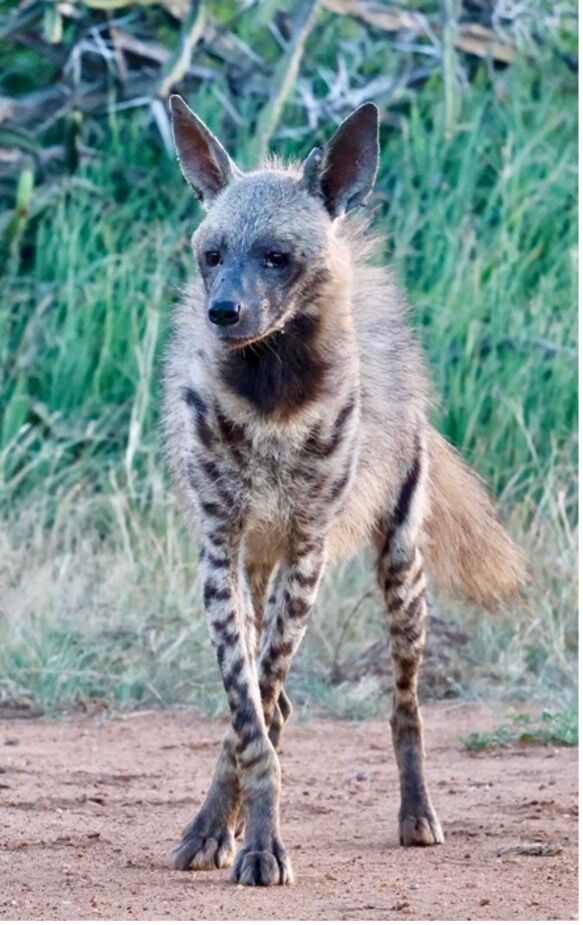
Mrembo (the beautiful darkness), a melanistic leopard or black panther also known as Giza, has made her home in the area. It is an absolute thrill to see this leopard, – and we were lucky to see her every evening – but she is not the only star. We were also fortunate enough to find a striped hyena during broad daylight, one of the region’s more elusive predators, and wild dogs on an evening game drive.

Just forty minutes’ drive away, in the same valley but across the Ewaso Narok river, is &Beyond’s Suyian Lodge.
Suyian Lodge sits high on a rocky hillside overlooking huge stone kopjes, the river, and further back to Laikipia Wilderness far on the other side of the valley. The lodge blends in superbly to the environment with its grass-covered roofs, stone walls and earth-coloured domes.
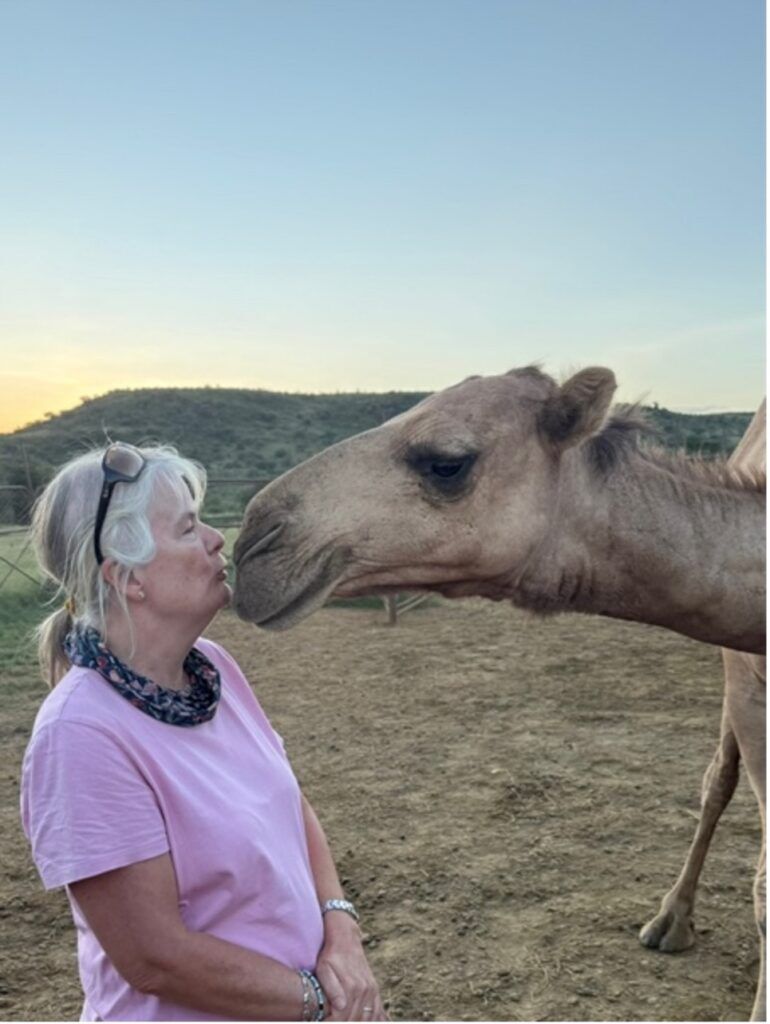
With large, luxurious rooms, deep, comfortable beds, your own plunge pool outside your room, excellent food, a swimming pool overlooking the valley, and sweeping views across Laikipia, this lodge is an ideal spot to relax and take an ‘easy safari‘ whilst exploring the ranch by horseback and walking safari, learning about ranching, game drives, and enjoying some quality time with the very friendly and delightful herd of camels!
A short charter flight from the local Suyian airstrip took me over several local conservancies before heading off the Laikipia plateau and further north to Samburu, and on to the Mathews Mountain Range. During the flight we flew low over the stunning landscape before landing at the Ngelai Airstrip, and a 20 minutes road transfer took me directly into Kitich Forest Camp.
Kitich Forest Camp is set in the remote northern frontier lands of the Ngilai Conservancy where tribal traditions are strong and proudly preserved by Ndorobo and Samburu communities. Hidden deep within the indigenous forest of the Mathews Range, Kitich Forest Camp offers a very unique safari experience combining forest wilderness, walking safaris and extraordinary birdlife and biodiversity.
Kitich Forest Camp and the Ngilai community conservancy work together to bring solutions and benefits to the wider community on issues such as health, land rehabilitation, literacy, skills focused training, reproductive health and grazing plans. With just eight spacious tents set under a canopy of riverine trees with private verandas overlooking the Ngeng river, each tent enjoys comfortable beds, outdoor ensuite bathrooms with hot showers and flushing loos. The main area is rustic with big comfy sofas and a huge dining table where guests enjoy dining communally.
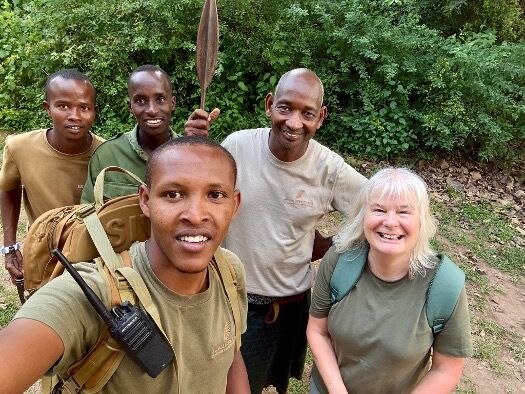
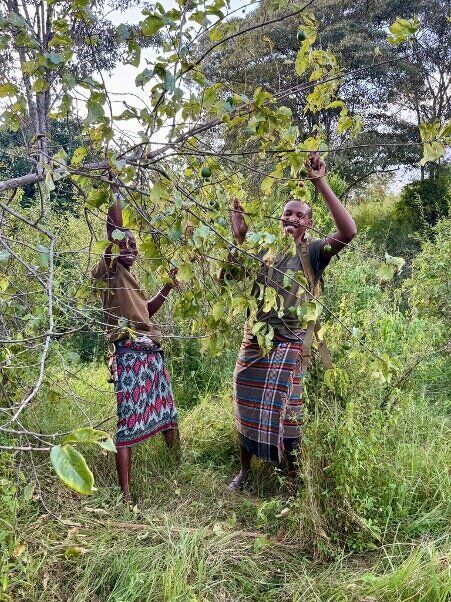
Two days walking guided by my Samburu guides through pristine and stunning valleys and along small rivers looking out for elephant, buffalo and bird life, was one of the highlights of my trip. The guides were informative, professional and great fun – and ensured I saw elephant but not too close! During my time at Kitich Forest camp I felt very well looked after and spoilt with lovely food and attentive guiding. One of the highlights was finding wild fruits and sharing the unusual sweat/tangy fruits with the guides – akin to picking and sharing wild blackberries at home!
The biodiversity of the Mathews Mountain range is fascinating and the subject of extensive research. Huge palm like Mathews Cycad trees with bottle green fronds dot the forest. These trees are considered one of the oldest plant types on the planet and are critically endangered.
Moving on by road transfer to the Namanyuk Wildlife Conservation Trust on the southern edge of the Mathews Mountain range, I stayed for a night each at both Sarara Tree Camp and Sarara Lodge.
The Namunyak Wildlife Conservancy lies nestled in the Mathews Mountain Range and is run by the local Samburu community. Namunyak Conservancy is home to Kenya’s second-largest herd of elephants, one of the largest herds of the endangered Reticulated Giraffe, as well as the critically-endangered Grévy’s Zebra, leopards, wild dog, kudus and more. It’s also a safe haven for endemic and migratory birds, as well as many birds of prey.
Sarara Camp has just six luxury tents with stunning views of the Mathews Mountain range and has a wonderful swimming pool set in the rocks close to the waterhole. Activities include game drives with Samburu guides, walking safaris, horseback safaris, fly camping under the stars, visits to the Reteti Elephant Sanctuary and other experiences including visits to the Singing Wells.
A highlight whilst staying here is the chance to visit the Reteti Elephant Sanctuary close to the camp. Reteti was established in response to demands from the local community, who recognise wildlife as an opportunity to improve livelihoods.
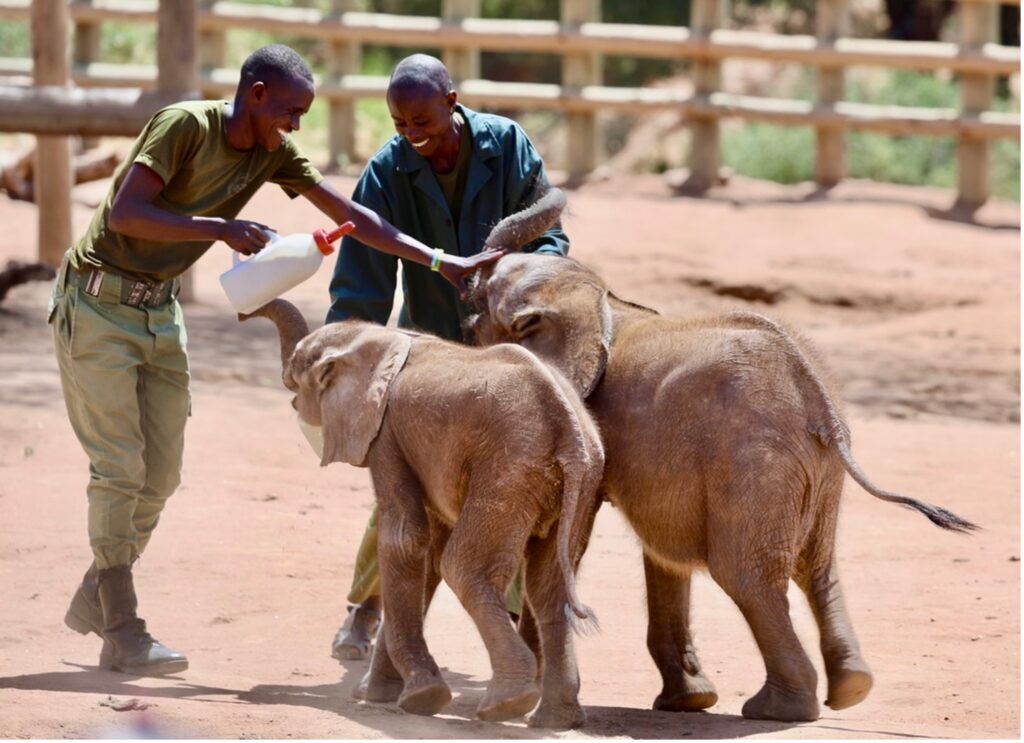
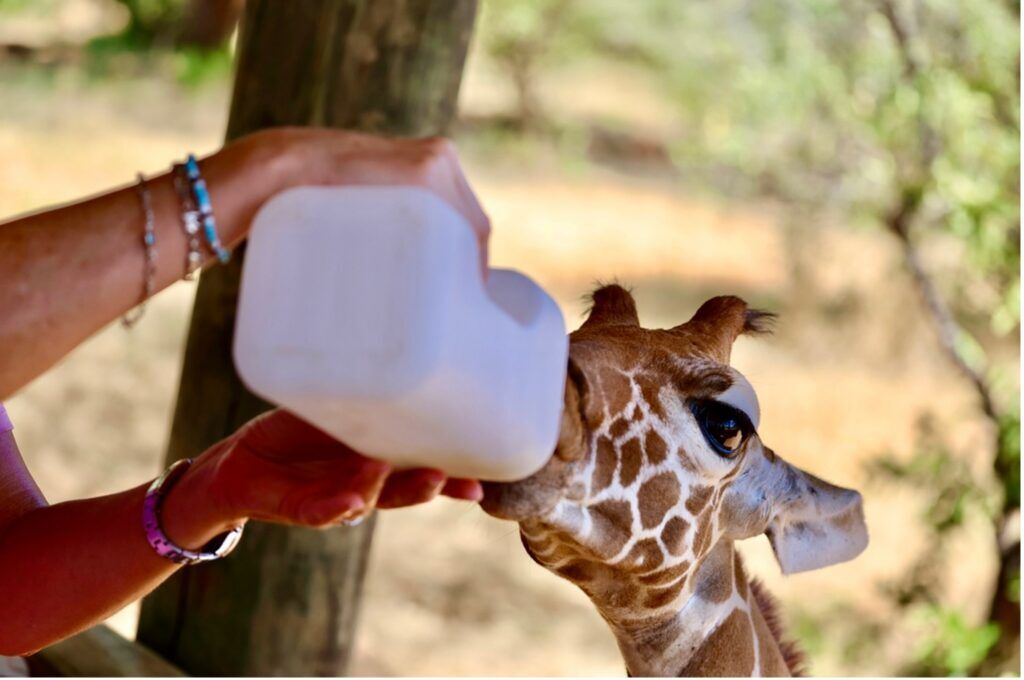
Every year, between 10-15 elephant calves are rescued in Northern Kenya. The calves are orphaned for various reasons, including getting separated from their herds, being stuck and injured after falling into wells, and their mothers dying from natural causes. Amongst the elephants are other rescued babies – a kudu, a couple of baby zebra and baby giraffe. Reteti’s keepers are all Samburu and originate from within Namunyak Community Conservancy. As the first community-led elephant sanctuary on the continent, it’s also the first to employ female keepers. Please visit the website.
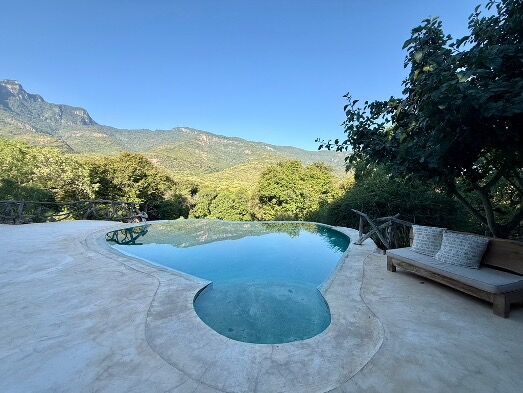
Sarara Tree Camp is an eco-friendly construction in the tree canopy that preserves the habitat at ground level, and looks out on one of the seven sacred mountains, Uarges. The camp has just eight tented en-suite rooms raised in the trees, all with heated outdoor showers. From your room you can watch elephants walking down to the natural waterhole, shower under the stars, and swim in the lodge’s wonderful infinity pool with views over the waterhole frequented by elephants.
The last stop on my northern Kenya exploration was Samburu National Reserve and here I stayed at Elephant Bedroom Camp.
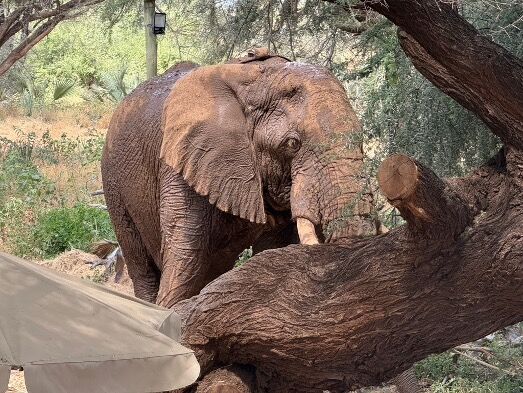
The camp is set on the Ng’iro river which is fed by the glaciers of Mount Kenya and the camp often has elephants crossing the water and walking into camp to feed on the Doum Palm Fruit. With 14 tents all set along the river, this camp offers the chance to view wildlife in-between game drives as the elephants feast on the riverine vegetation.
Here you can view the Samburu Special Five – the Gerenuk or giraffe gazelle, Beisa Oryx, Grevy’s Zebra, Reticulated Giraffe, and the Somali Ostrich. The reserve also has a good number of cheetah, leopard and lion and the birding along the river is superb. Or you can just enjoy the families of gentle elephants grazing along the river. Having recently visited regions where conflict between people and elephants has made some elephant encounters a little tense, seeing such relaxed behaviour from both wildlife and local communities was quietly uplifting.
Northern Kenya exceeded every expectation. From the open plains of Ol Pejeta to the forests of the Mathews Mountain Range and the rivers of Samburu, each day revealed a different landscape, different communities, different wildlife, and a different way of experiencing Kenya. It is a destination that rewards curiosity. Every conservancy has its own character, every landscape is different and every stop adds another perspective on northern Kenya. I arrived wondering whether Northern Kenya deserved greater attention. I left convinced that it does.
Want to go too? Then view our Kenya Northern Adventure itinerary to Laikipia and Samburu.
This 14-night itinerary can be modified to suit your interests, timescale and budget – please ask!
Better still – pick up the phone and talk to someone who has been there – we are looking forward to hearing from you!
Call 01984 667420 or Email sue@trackssafaris.co.uk
Our expert staff are on-hand, happy to assist with any enquiry you have.