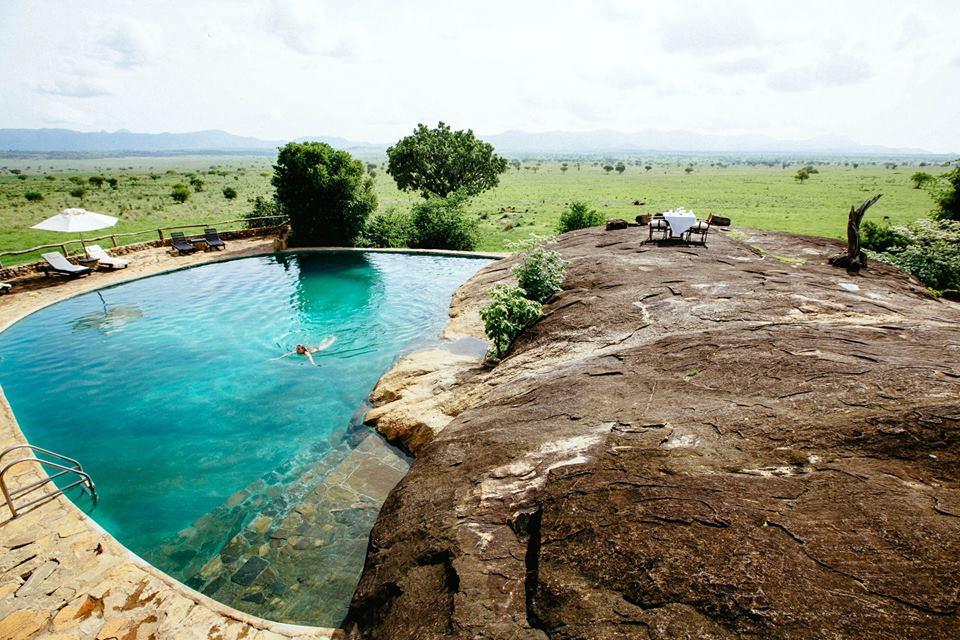

EREBERO HILLS – BWINDI IMPENETRABLE FOREST
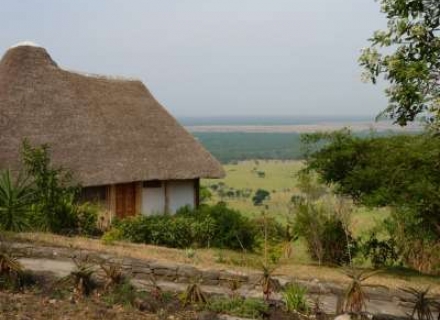
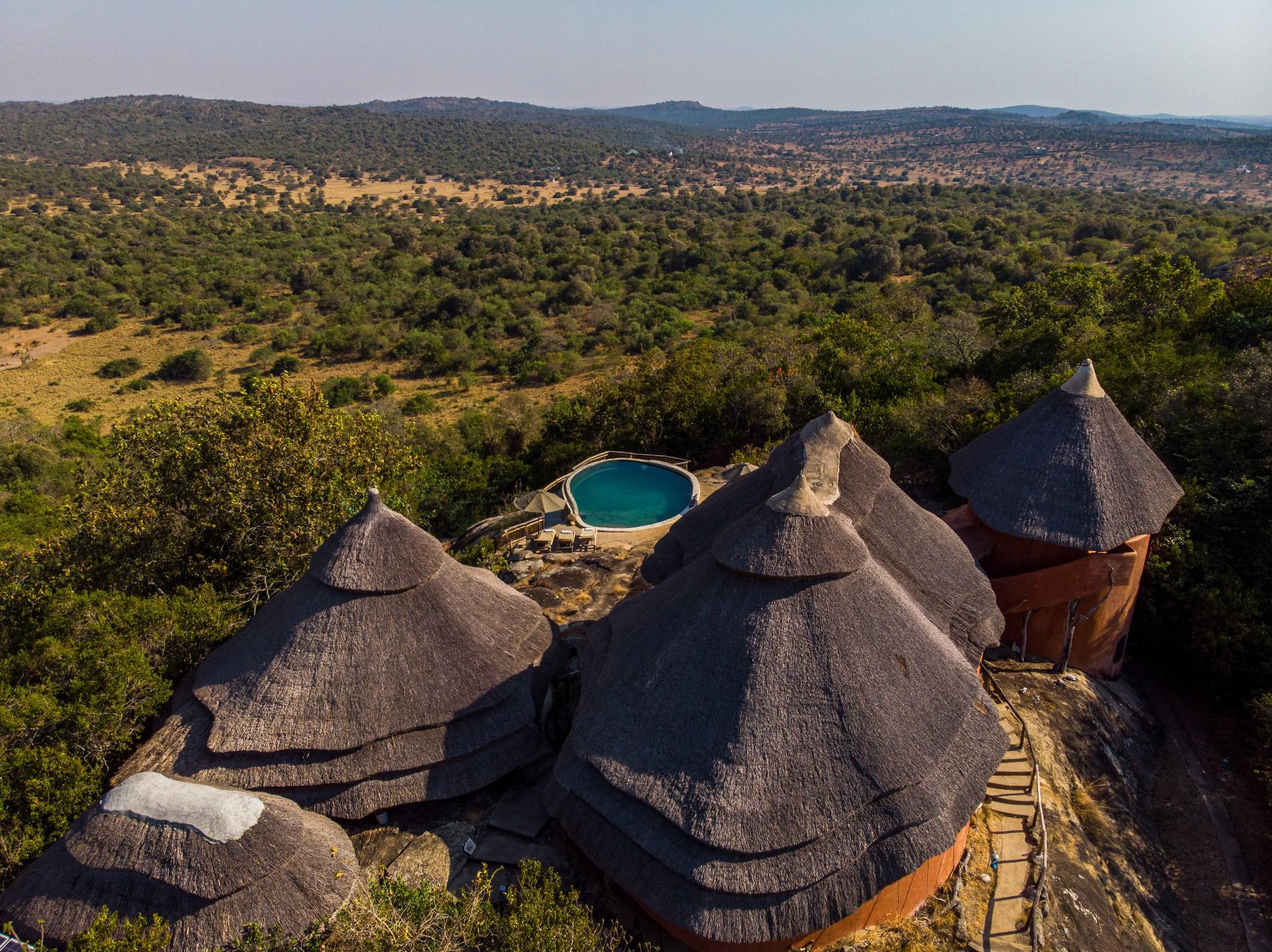
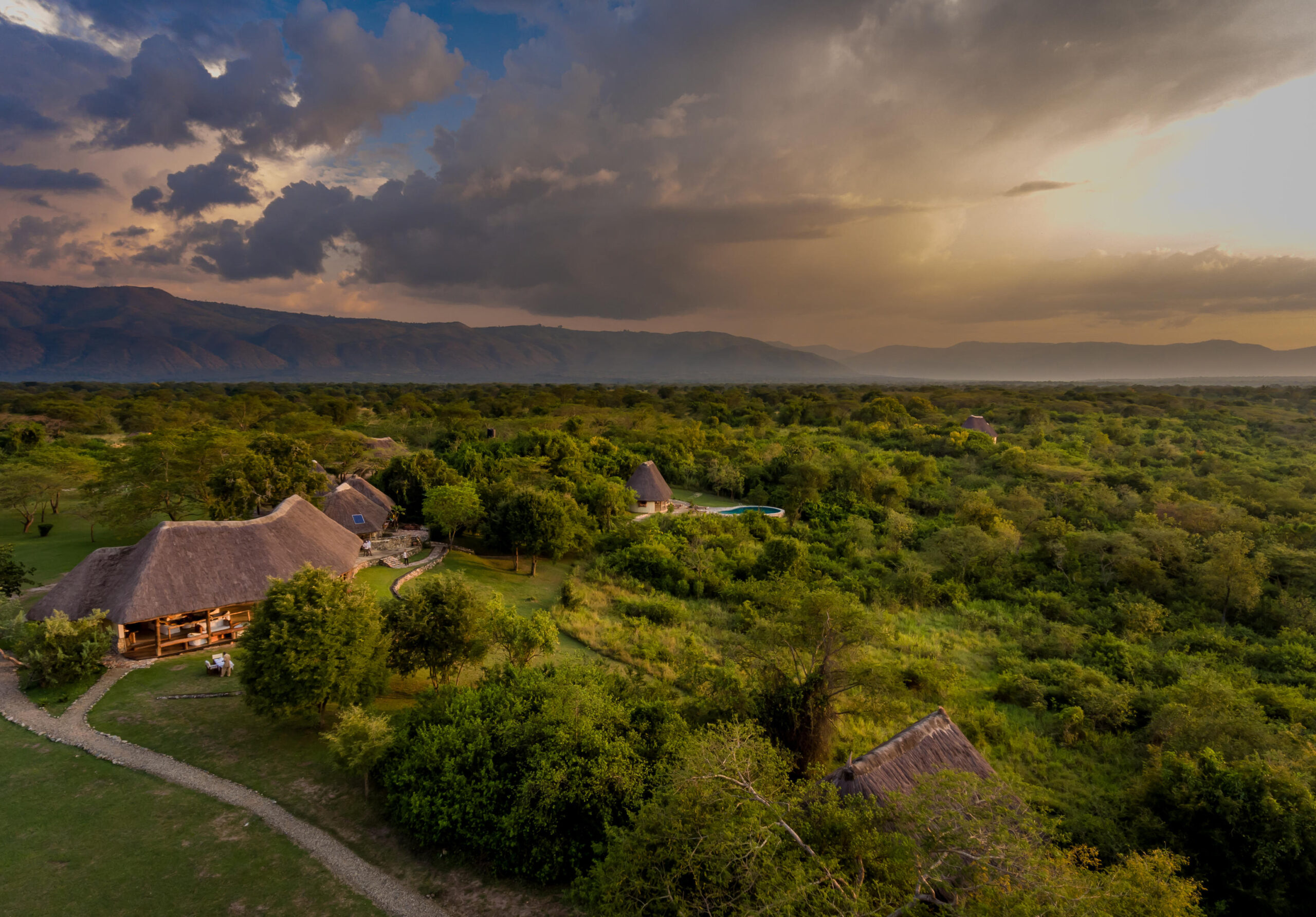
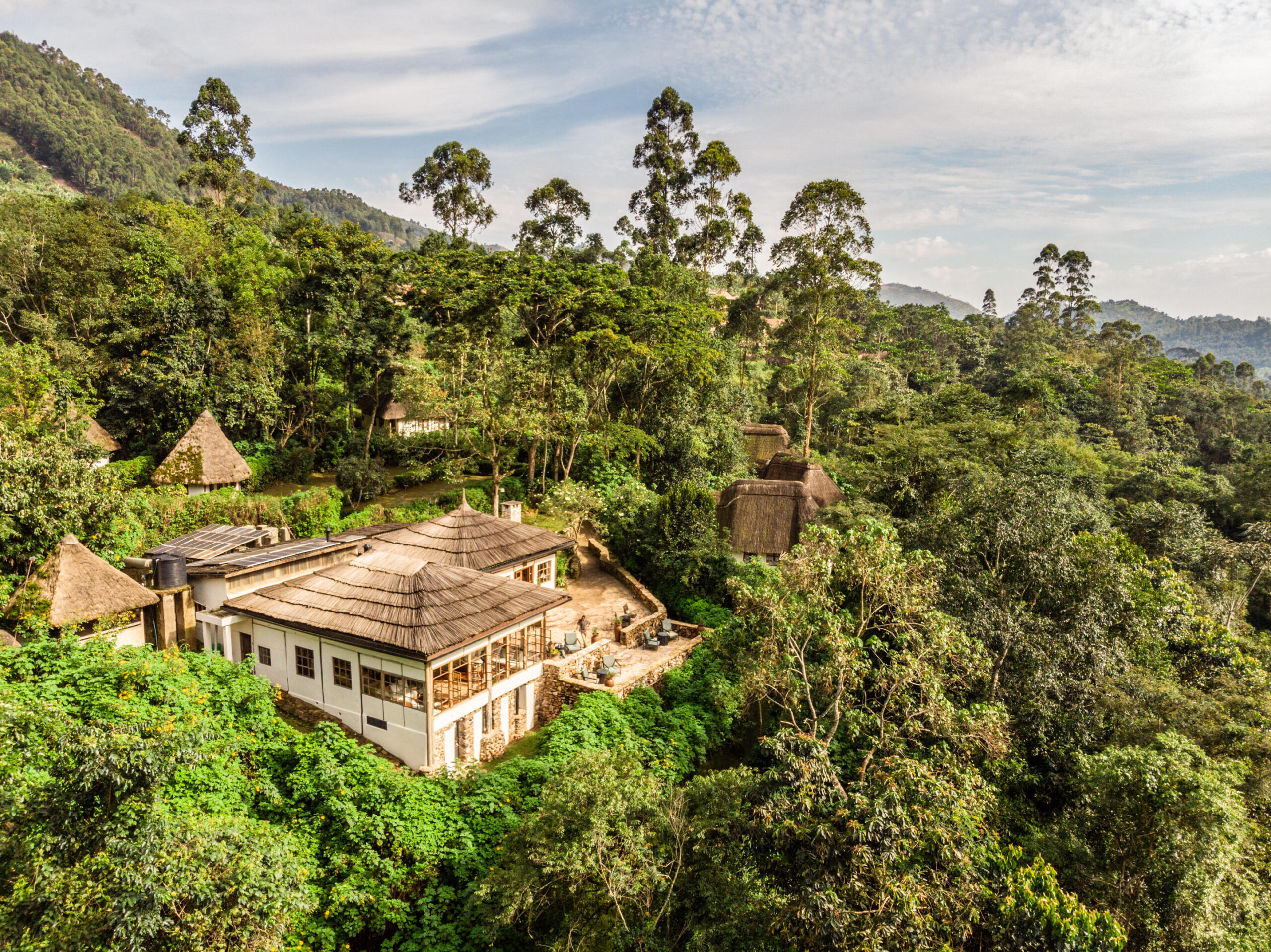
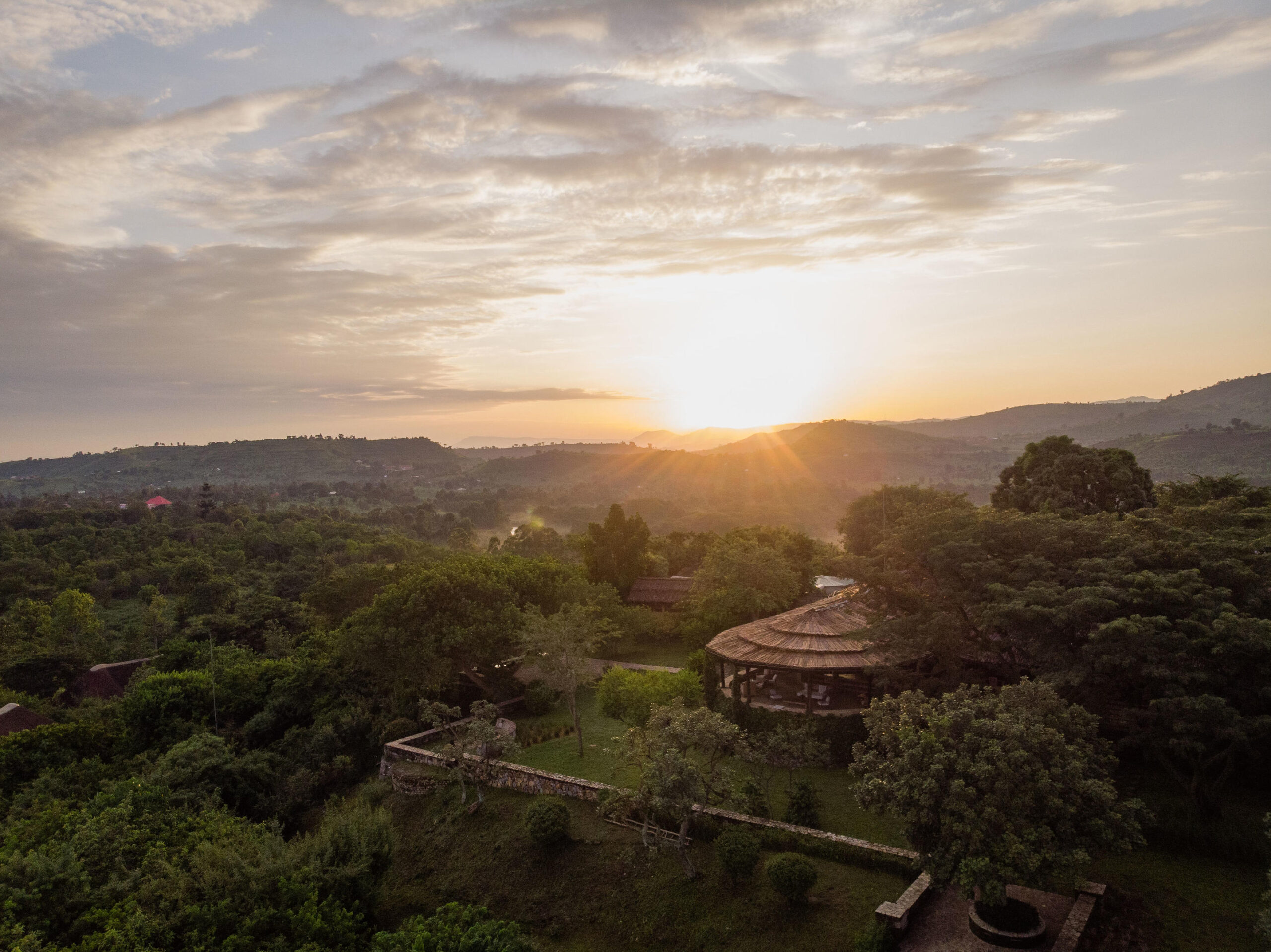
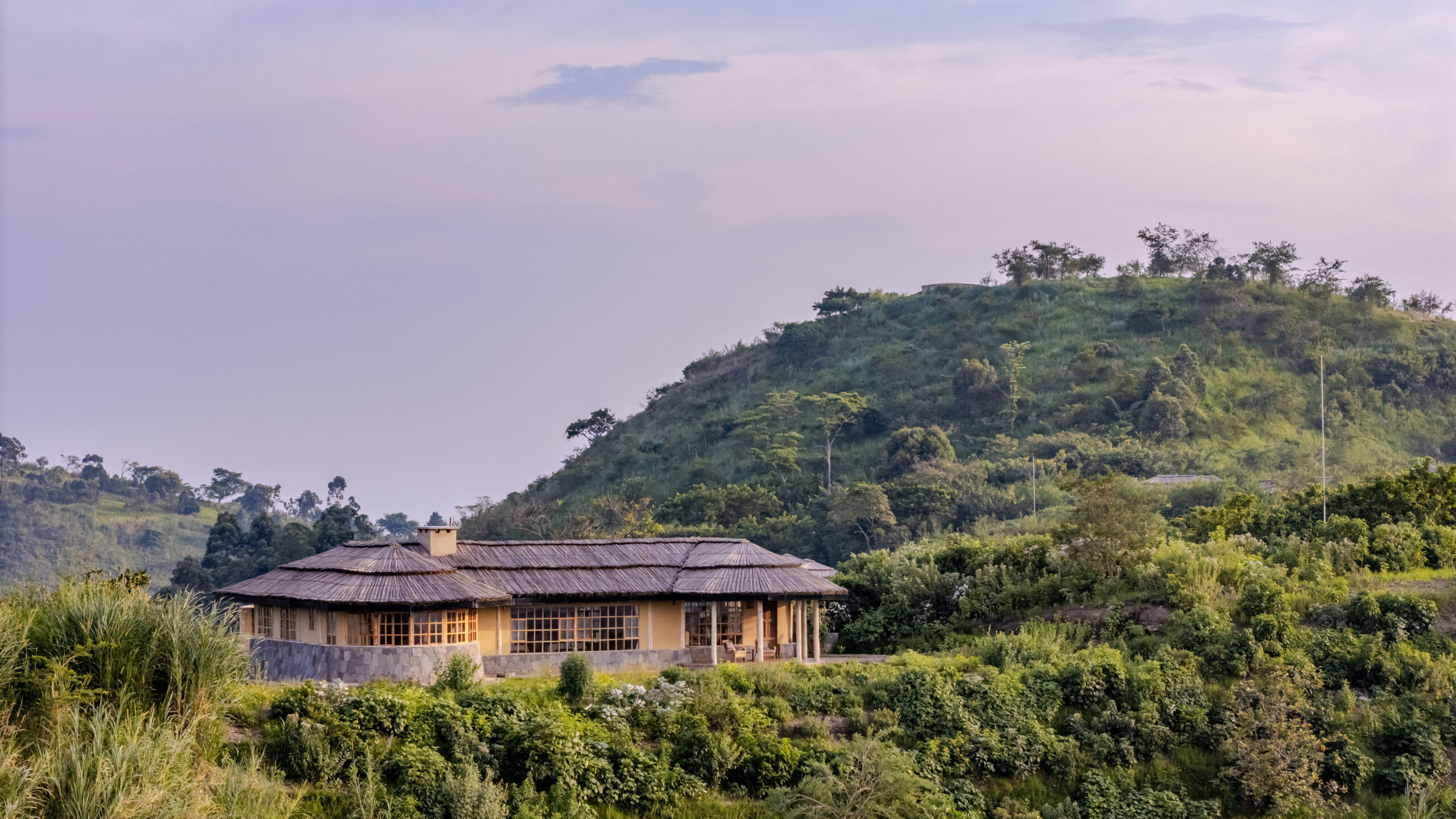
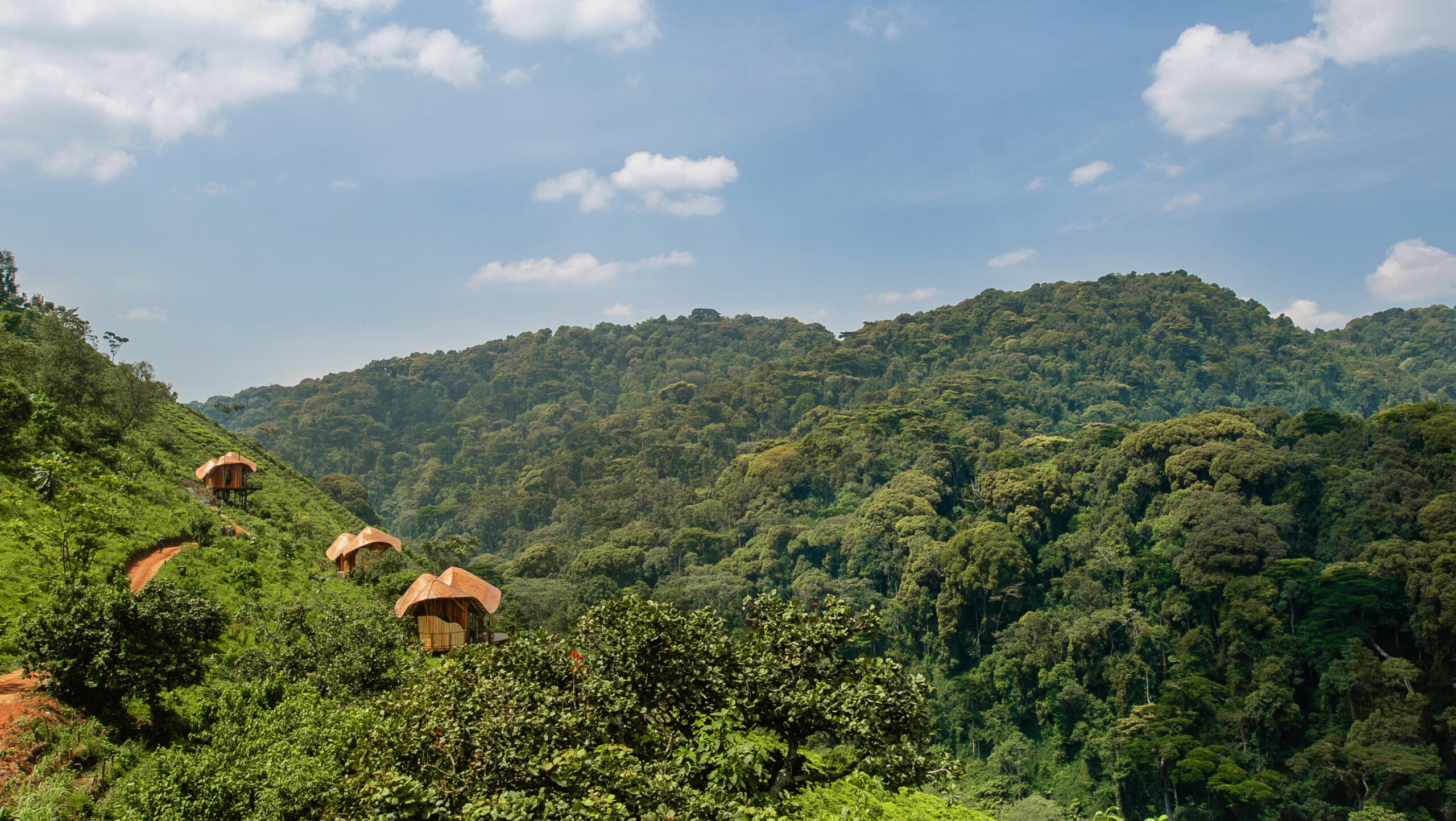
Erebero Hills sits high on the northern edge of Uganda’s Bwindi Impenetrable Forest, looking south across the forest canopy and the steep green hills that surround it. Its name means “a place where you can see far”, which is particularly appropriate here: the eight suites, main lodge and hillside swimming pool have all been positioned to make use of the views across the valley towards Bwindi.
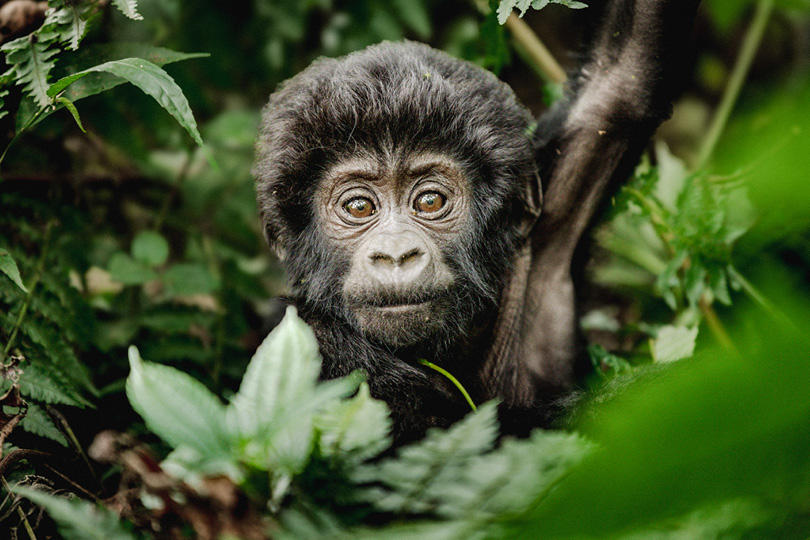
For most visitors, mountain gorillas will be the reason for travelling to Bwindi. More than half of the world’s remaining mountain gorillas live within the forest, and Erebero Hills is around 30 minutes by road from the nearest gorilla trekking departure point. But there is considerably more happening around the lodge than simply providing somewhere to stay before and after a trek. Forty-five acres surrounding Erebero are being restored with indigenous forest, former tea-growing land is being allowed to regenerate naturally, and part of the property has been developed as a syntropic farm producing fruit, vegetables and herbs for the lodge.
The reforestation project is particularly interesting. Asilia is creating a buffer of indigenous forest between existing agricultural land and Bwindi National Park, with the longer-term intention of providing additional habitat while creating an area of forest that the Batwa people will be able to access. The Batwa’s traditional relationship with Bwindi was profoundly changed when the forest became a national park in 1991 and access was restricted. Batwa involvement in the restoration includes selecting plants for their traditional and medicinal uses and, with permission from the wildlife authorities, collecting seeds of some forest species for propagation outside the park.
That gives Erebero Hills an unusually substantial story beyond gorilla trekking. Guests can walk through the reforestation areas, see how the syntropic farm works and learn about projects involving the neighbouring Batwa and Bakiga communities. These are physical projects taking place on the land surrounding the lodge, so the conservation and community work should be visible during a stay rather than existing only in the background.
LOCATION
Erebero Hills is located on the northern edge of Bwindi Impenetrable National Park in southwestern Uganda. Bwindi is one of Africa’s most biologically diverse forests and is best known for its mountain gorillas, although the forest also supports a wide range of other primates, mammals, birds, butterflies and plant species.
The nearest airstrip is Kihihi, approximately 90 minutes from the lodge by road, with scheduled flights connecting the area with Entebbe. For gorilla trekking, the nearest departure point is approximately 30 minutes from Erebero Hills. The lodge’s position on the northern side of Bwindi also places it amongst the cultivated hills and communities surrounding the national park, where tea plantations and small farms form a clear boundary with the protected forest.
LODGE
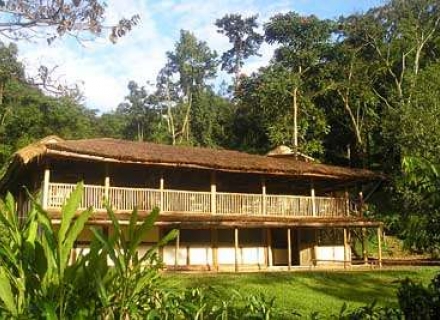
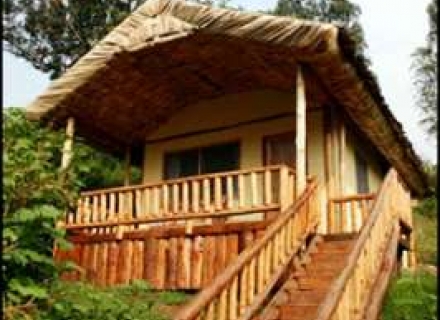
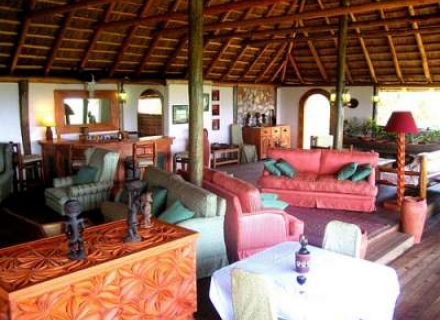
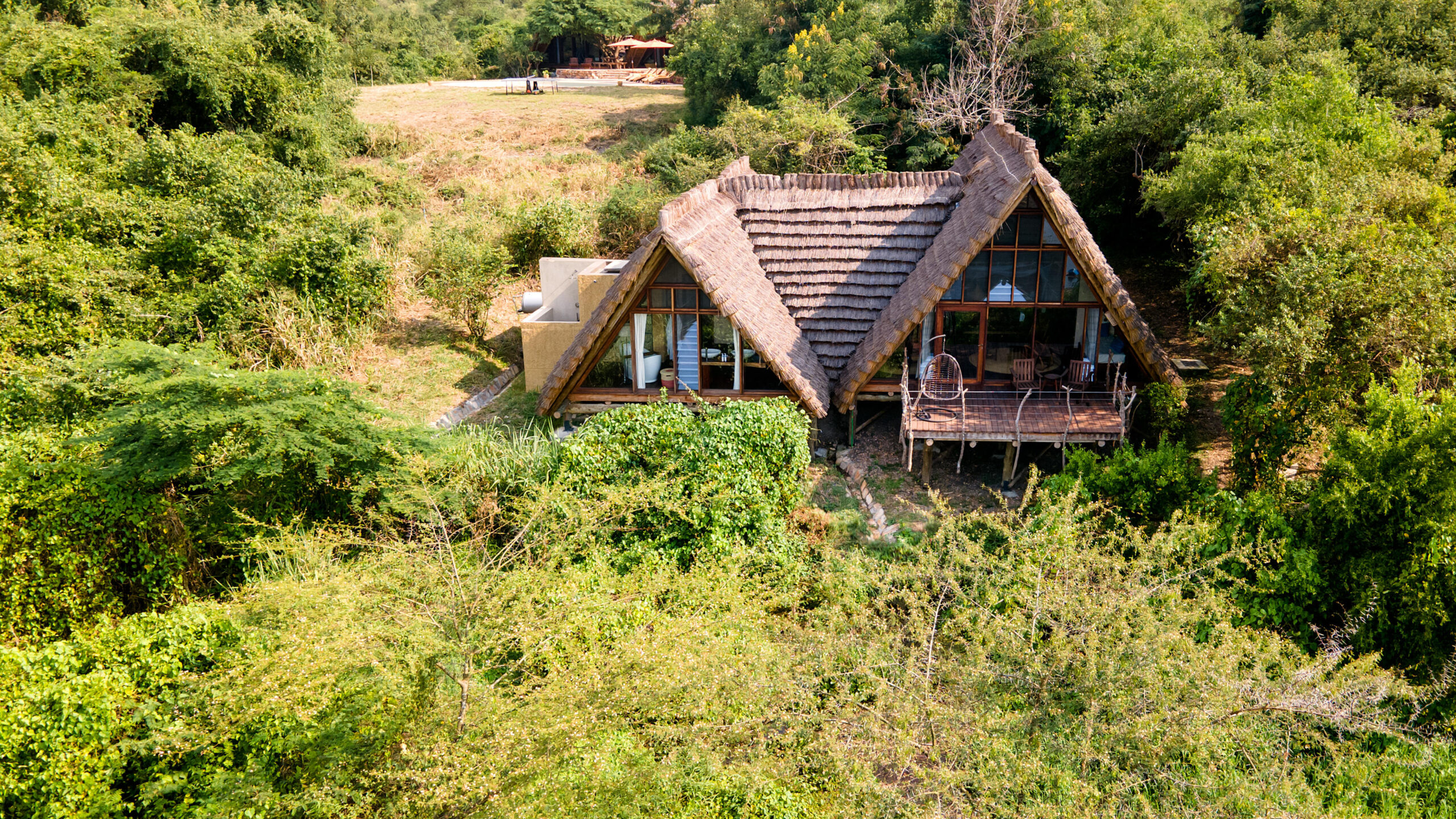
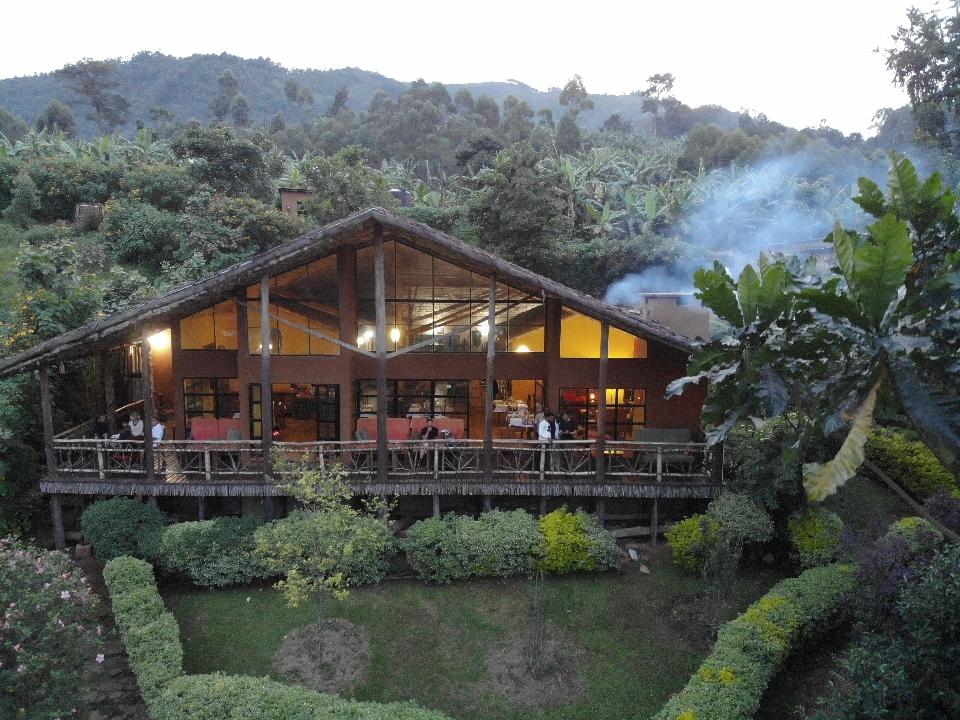
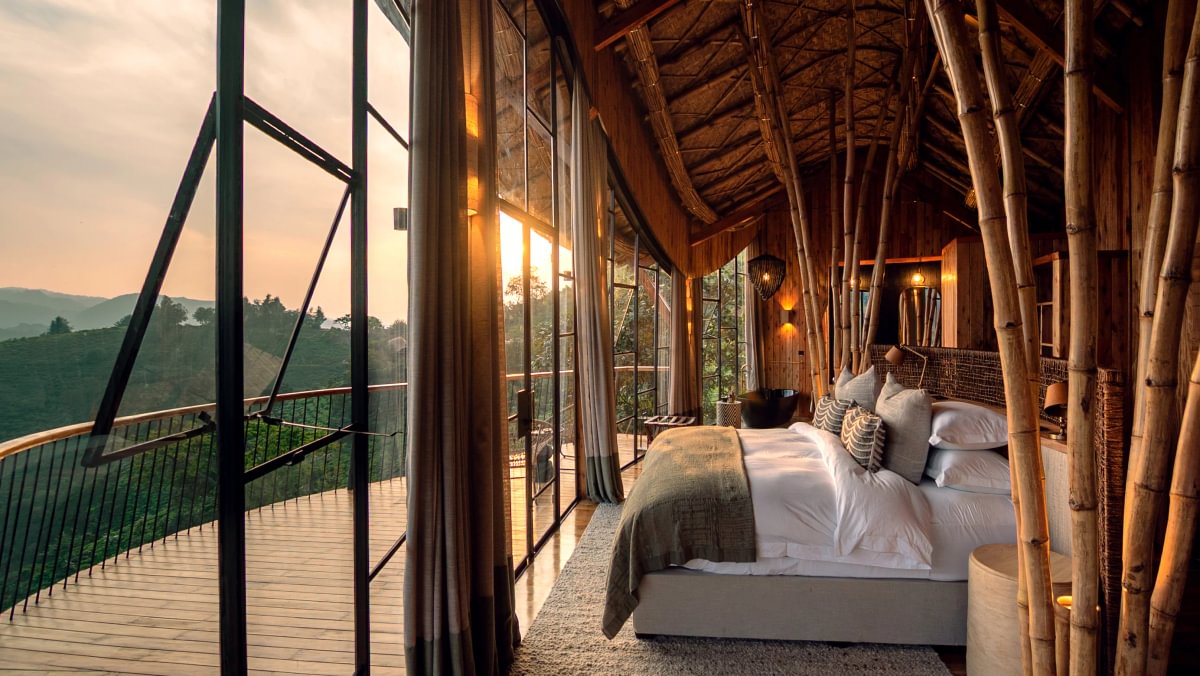
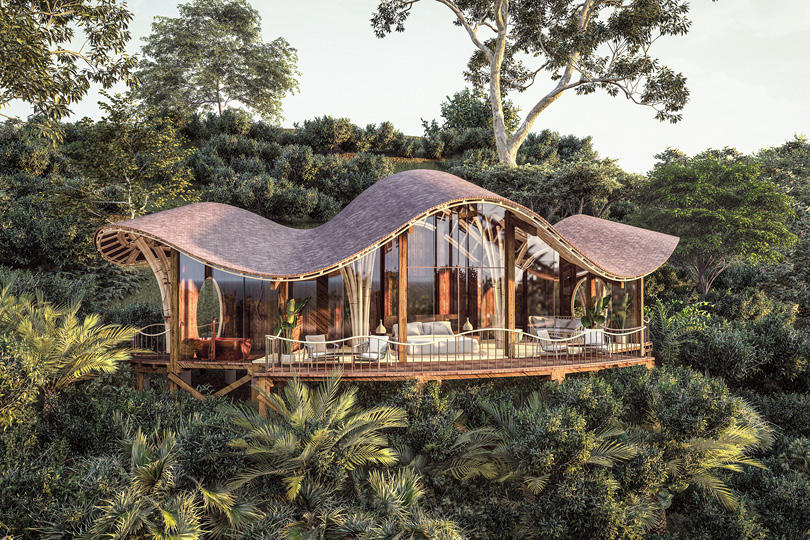
Erebero Hills has just eight forest-view suites, including two that can accommodate three guests. Each is positioned on the hillside with a private deck facing Bwindi, while large glass frontages bring the forest view into the bedroom and living areas. The suites have king-sized beds, indoor and outdoor seating, a separate boot room for walking equipment and an en-suite bathroom with a freestanding bath together with indoor and outdoor showers.
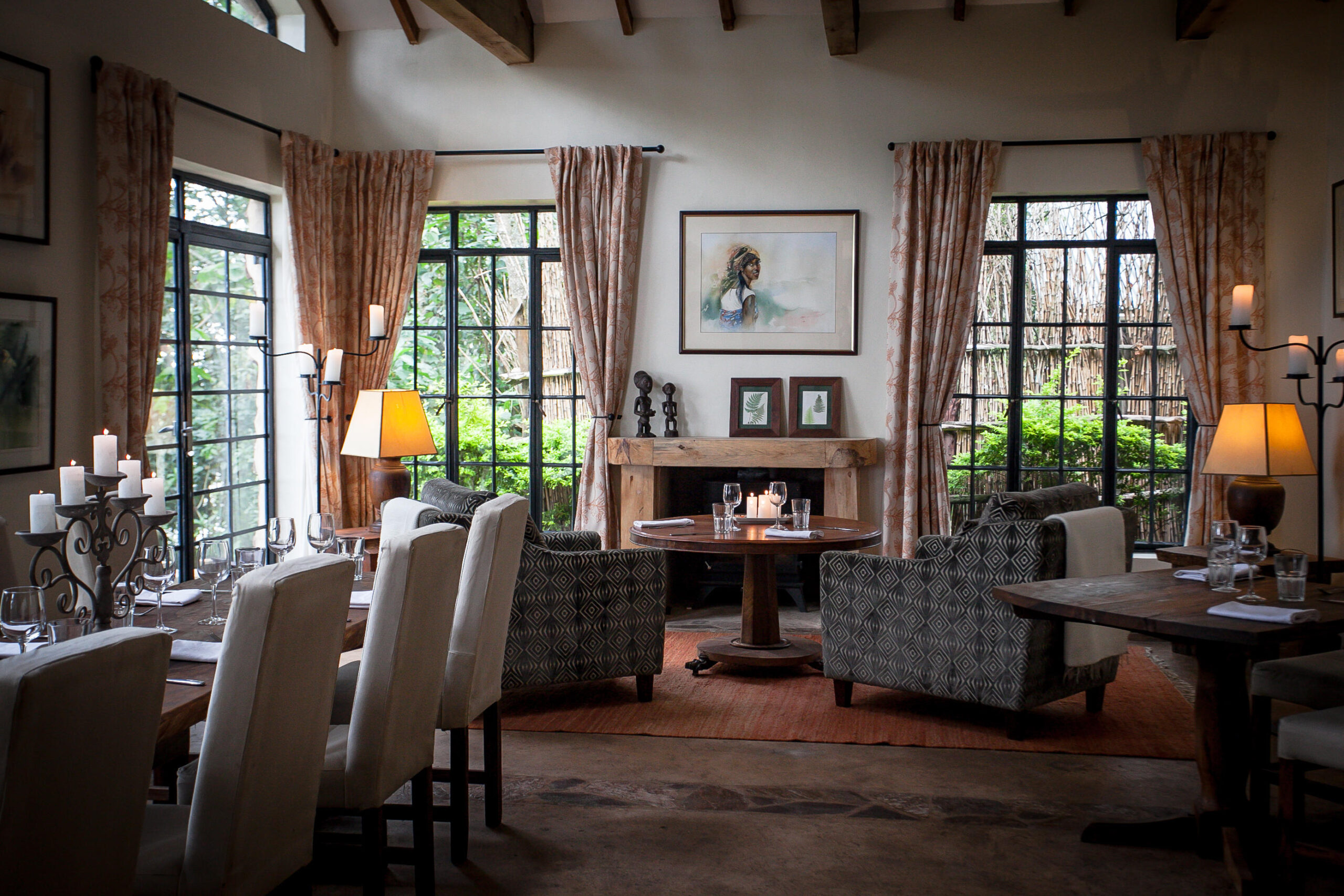
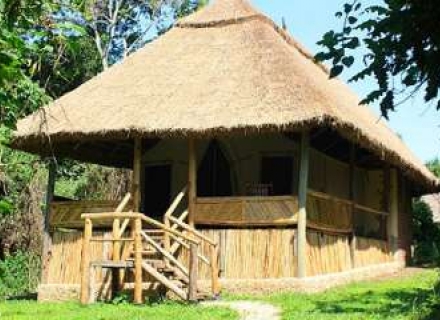
Bamboo is an important part of the architecture and has been sourced locally from renewable plantations. The curved roofs and building forms take their shape from the surrounding hills and vegetation, while connected walkways reduce the amount of ground disturbed between the buildings. Local craftsmanship is also incorporated into the furniture, textiles and finishes used throughout the lodge.
The main lodge contains the shared lounge and dining areas, with a swimming pool positioned on the hillside overlooking the forest. Spa treatments can be taken in the suites, including a 30-minute treatment included during each stay. The kitchen is being supplied in part by Erebero’s own .syntropic farm, where fruit, vegetables and herbs are grown using regenerative agricultural techniques; the project also provides agricultural training and livelihood opportunities for people from neighbouring communities.
The combination of only eight suites, substantial views across Bwindi and direct access to what is happening on the surrounding 45 acres gives us plenty to work with here. The gorillas may bring people to this part of Uganda, but Erebero also gives guests something quite tangible to explore when they return from the forest: the reforestation, regenerative farming and community projects are all taking place immediately around them.
ACTIVITIES
Gorilla Trekking – Bwindi Impenetrable Forest is home to more than half of the world’s remaining mountain gorillas, and Erebero Hills is approximately 30 minutes by road from the Ruhija trekking headquarters. Treks are led by Uganda Wildlife Authority rangers, with the route and duration determined by the location of the allocated gorilla family that day. Once the gorillas are located, visitors normally spend up to one hour observing the family before beginning the walk back through the forest.
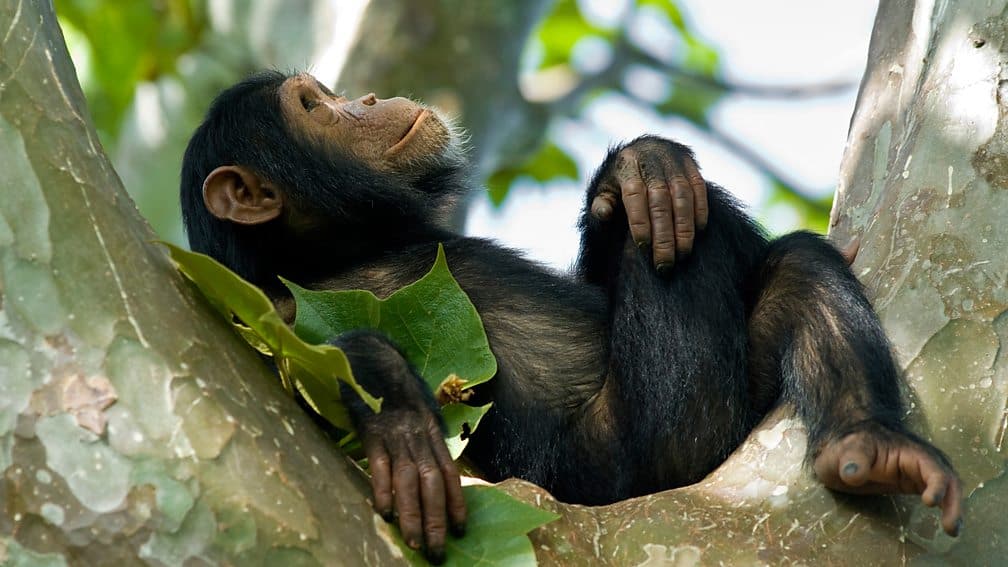
Forest Walks – Bwindi contains far more than gorillas. Guided walks explore its steep valleys and dense forest, with opportunities to see other primates, butterflies and some of the more than 350 bird species recorded here. The forest is particularly important for Albertine Rift endemics, including Rwenzori turaco, red-throated alethe and yellow-eyed black flycatcher.
Batwa Forest Experience – Accompanied by members of the Batwa community and a park ranger, guests can walk into Bwindi to learn about the skills that once allowed the Batwa to live within the forest. The experience includes demonstrations of traditional fire-making, hunting techniques and the uses of different forest plants. It also provides important context to the Batwa’s history: when Bwindi became a national park in 1991, they lost access to land on which their communities had depended for generations.
Reforestation Walks – Guests can explore the restoration project taking place on the hills surrounding Erebero. Former tea-growing land is being replanted with indigenous trees, while other areas have been left to regenerate naturally so that the two approaches can be studied. Batwa elders have helped select species traditionally used for food, medicine and other purposes, and local nurseries are supplying many of the seedlings. More than 35,000 trees have already been planted.
The Syntropic Farm – Part of the land surrounding Erebero has been developed as a syntropic farm, using regenerative methods to grow fruit, vegetables and herbs for the lodge while rebuilding soil fertility. Guests can visit the farm to see how different crops are grown together and learn how the project is also being used to provide agricultural training and employment for people living nearby.
Community Experiences – Through Asilia’s local partners, guests can meet people from the surrounding Batwa and Bakiga communities and take part in activities including weaving, beading, soap and candle making. These visits provide an opportunity to see some of the skills and small businesses being developed alongside the tourism and conservation projects at Erebero.
GIVING BACK
Giving back is unusually central to the story of Erebero Hills because much of the work is taking place on the land immediately surrounding the lodge.
Large areas of former tea plantation are being restored to indigenous forest. The project is intended to create additional habitat alongside Bwindi National Park while also establishing a forest that the Batwa community can access. Batwa elders have helped determine which indigenous plants should be grown, particularly species traditionally used for food, medicine and cultural practices. With support from the wildlife authorities, seeds from some plants found deep within Bwindi have also been collected for propagation outside the national park.
The restoration work is already creating employment. Local people have been involved in establishing nurseries, raising seedlings, preparing land and planting trees, while community nurseries have been paid to supply indigenous plants. Asilia reports that more than 35,000 trees have now been planted, with further seedlings being prepared for future planting.
The project is also being treated as an opportunity to learn how former tea plantations can successfully be returned to montane forest. Different areas are being managed using different restoration methods, including assisted natural regeneration and active planting, allowing the results to be compared over time.
Alongside the forest restoration, the syntropic farm provides produce for Erebero’s kitchen while creating agricultural training and livelihood opportunities. This combination of reforestation, regenerative farming, local employment and Batwa involvement makes the work around Erebero much more tangible than a conventional lodge conservation programme: guests can walk through the areas being restored and see the nurseries, young forest and farm for themselves.
EREBERO HILLS IS OPEN ALL YEAR ROUND.
CHILDREN AGED FIVE YEARS AND OVER ARE WELCOME AT THE LODGE, ALTHOUGH SEPARATE AGE RESTRICTIONS APPLY TO GORILLA TREKKING.
GORILLA TREKKING REQUIRES A PERMIT AND A MINIMUM TWO-NIGHT STAY APPLIES WHEN TREKKING FROM EREBERO HILLS.
PERMITS SHOULD BE ARRANGED WELL IN ADVANCE, PARTICULARLY DURING BUSIER TRAVEL PERIODS.
KIHIHI IS THE NEAREST AIRSTRIP AND IS APPROXIMATELY 90 MINUTES FROM THE LODGE BY ROAD.
Our expert staff are on-hand, happy to assist with any enquiry you have.