
NKWICHI LODGE – LAGO NIASSA
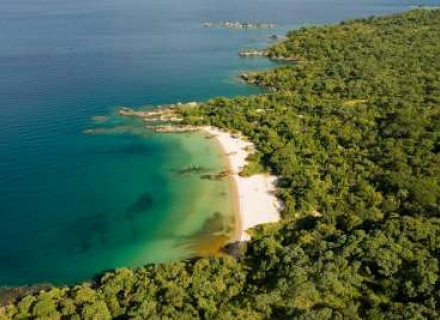
Nkwichi sits on the Mozambican shore of Lake Malawi — known locally as Lago Niassa — in a part of the lake where wooded hills and granite outcrops descend directly to the water. Four kilometres of shoreline around the lodge contain eight separate beaches, with clear freshwater rather than the tidal coastline found elsewhere in Mozambique. The lake is home to hundreds of species of cichlid fish, many found nowhere else, and the clear, shallow water makes it possible to see them while swimming or snorkelling directly from shore.
The lodge takes its name from the beach on which it was built. In ChiNyanja, Nkwichi means “squeaking sands”, describing the sound made by the unusually fine, clean sand when walked upon. Behind the beaches, the landscape rises into the woodland, baobabs and granite formations of the southern end of the Great Rift Valley.
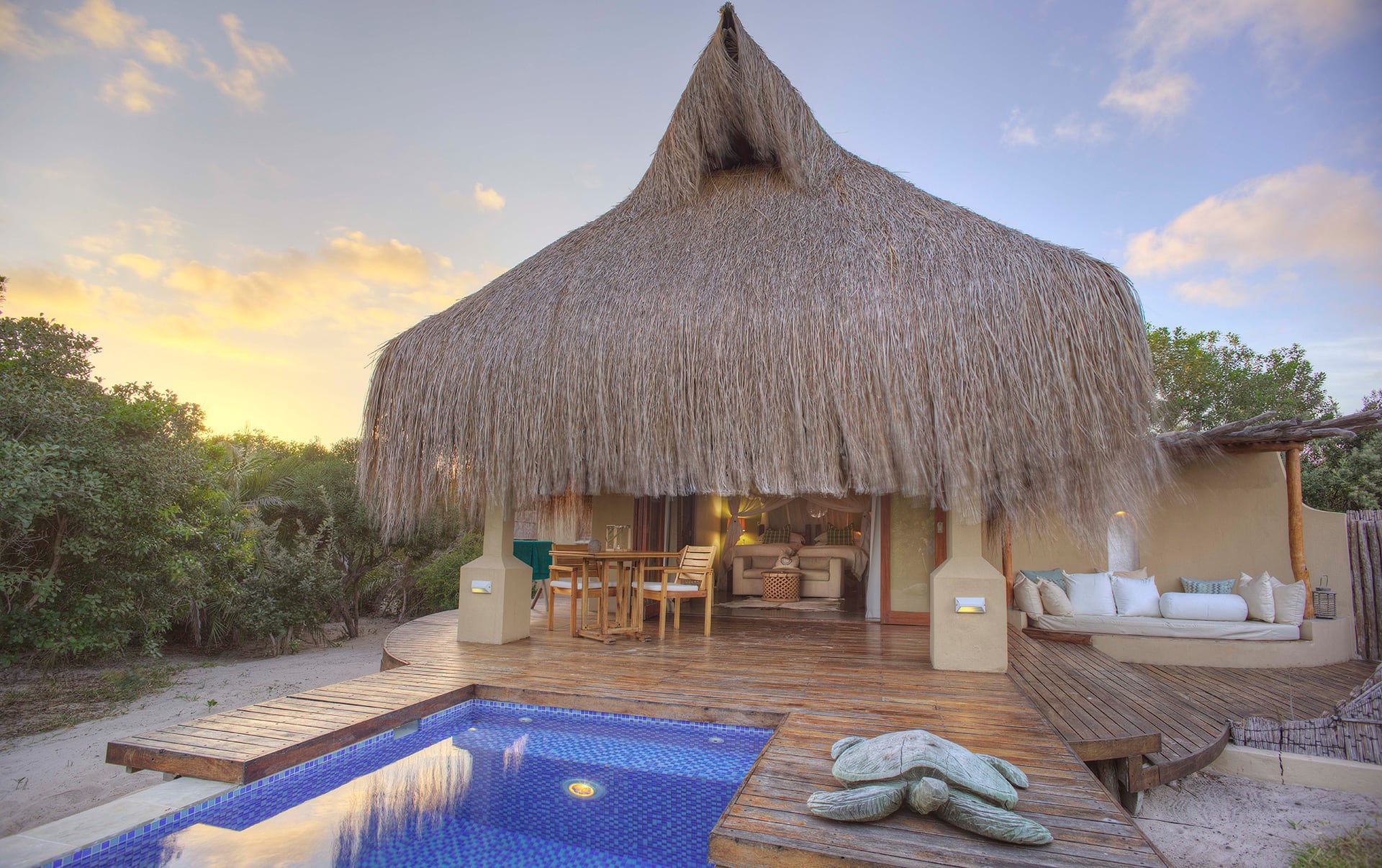
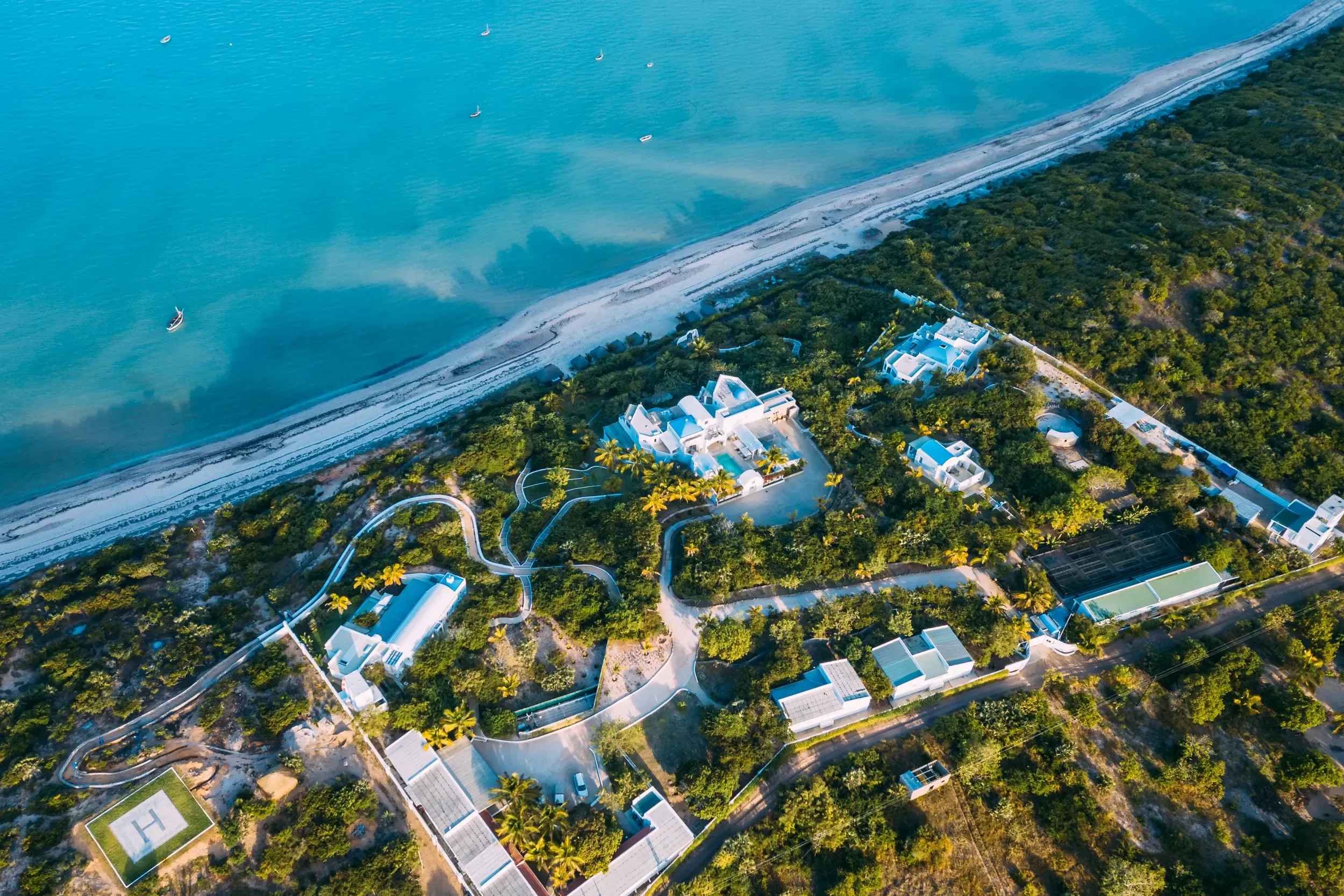
Nkwichi is deliberately small, with five individual chalets and one private house tucked amongst the trees and rocks along the lakeshore. The buildings were constructed largely from local stone, bamboo and thatching grass, and no two chalets are alike. Four-poster beds have been made from local timber, some bathrooms incorporate the existing granite boulders, and individual chalets have their own verandas, dining areas or small stretches of shoreline.
There is plenty here to occupy an active traveller without needing a formal programme. Kayaks and paddleboards are available for exploring the shoreline, snorkelling starts from the beaches, walking trails lead into the surrounding Rift Valley landscape and a traditional wooden boat is used for trips on the lake. Equally, having eight beaches shared between such a small number of guests means finding somewhere quiet beside the water isn’t difficult.
LOCATION
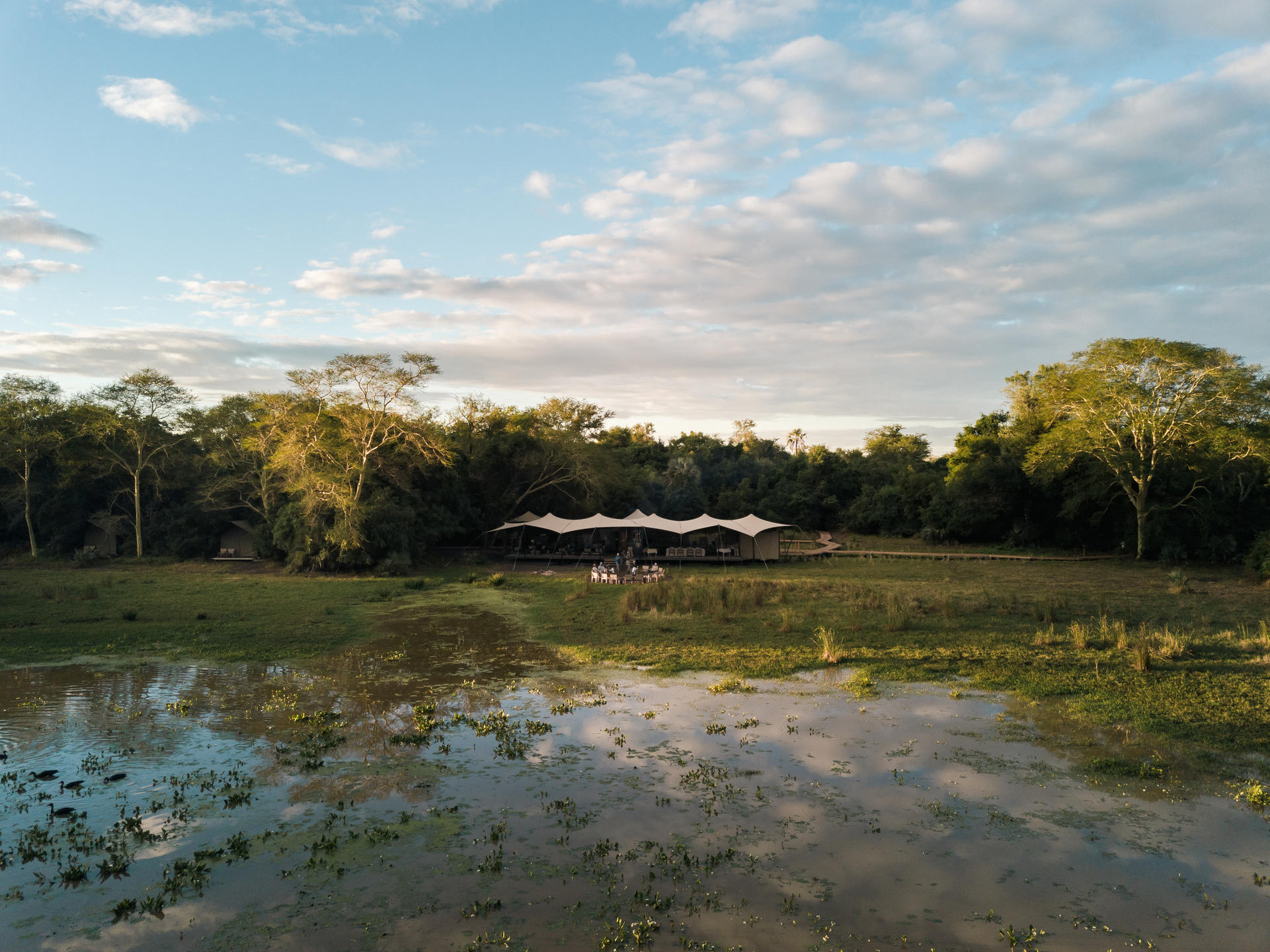
Nkwichi Lodge is in Niassa Province in northern Mozambique, on the eastern shore of Lake Malawi and close to the small town of Cóbuè. This is a remote part of Mozambique, and getting there forms part of the journey. One route is through Malawi, travelling to Likoma Island by air or ferry before being met by the Nkwichi team for the boat journey across the lake and through the necessary border formalities. Alternatively, guests can travel through Mozambique from Lichinga to Cóbuè and continue to the lodge by boat.
The lodge sits at the southern end of the Great Rift Valley, where granite rock formations, woodland and large baobab trees line the shore. Walking routes lead along the coastline and into the hills, with viewpoints across the lake towards Malawi and trails connecting some of the villages scattered through the surrounding Manda Wilderness.

LODGE
Nkwichi’s five chalets have each been designed around their particular position on the lakeshore. Kuya sits immediately beside the main beach with a private dining area looking across the sand; Niassa is the largest chalet and has an outdoor dining space beneath its own baobab tree; Scotland overlooks a small private cove. Nkwazi sits beside the lake near a favoured perch of resident fish eagles, while Kakoa has its own path to the water and incorporates the surrounding rocks into its structure.
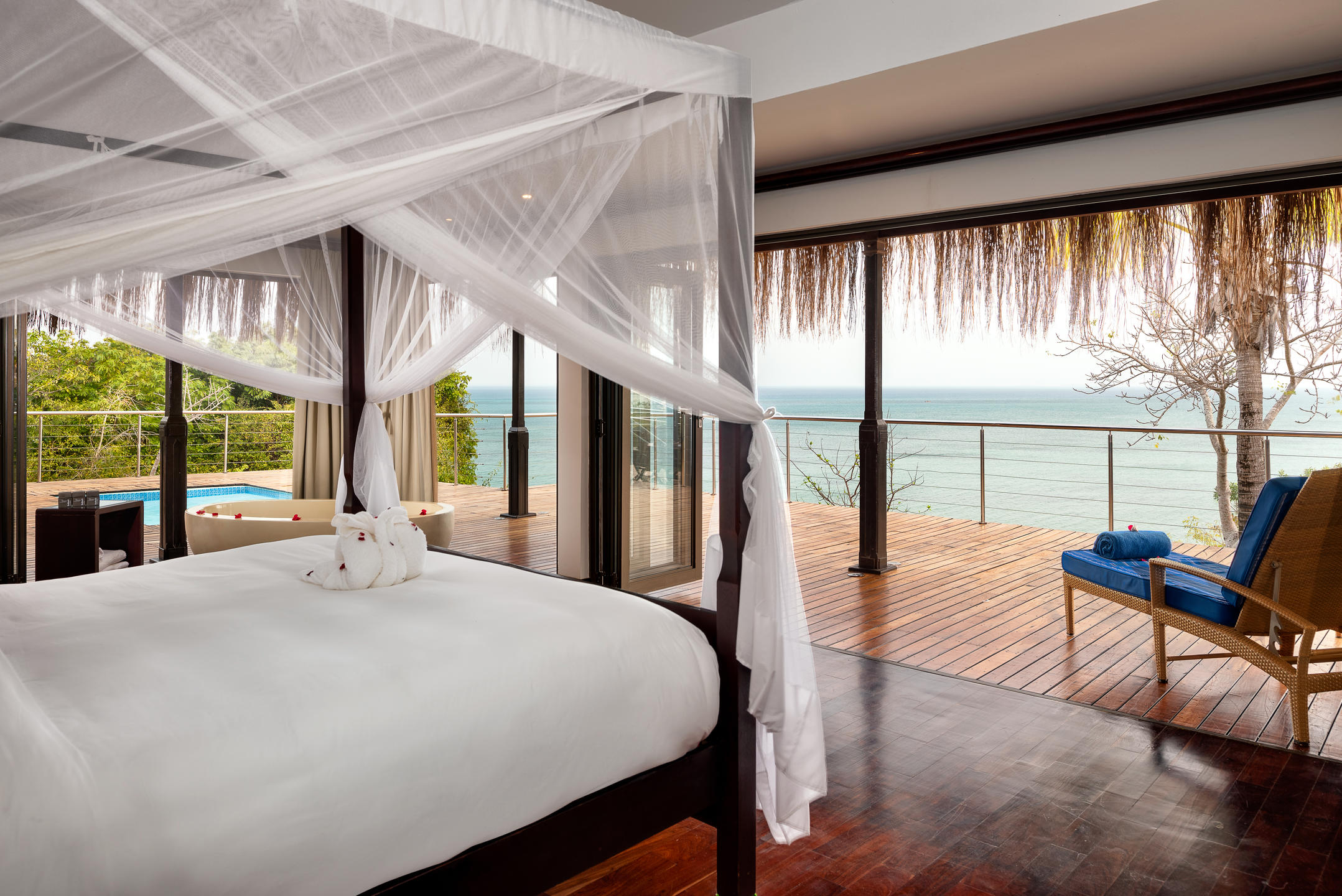
Hand-carved furniture features throughout the accommodation, including substantial four-poster beds made from local timber. Some of the bathrooms have baths carved into the existing rock, while private verandas and outdoor dining areas make use of the views across the lake. The chalets are spaced amongst the trees rather than arranged around a central accommodation block.
The communal centre of Nkwichi is considerably simpler: a beach shack beside the lake where drinks are served during the day and a fire is lit in the evening. Meals may be served there, on the beach or at different locations around the property. The lodge also uses places such as a large baobab tree and rocky viewpoints for lunches and dinners rather than relying on a single restaurant setting.
Nkwichi was developed with conservation and the surrounding Nyanja communities as part of the original plan rather than additions made later. The lodge uses solar power, was constructed predominantly from local natural materials and has historically been a significant employer for neighbouring villages. That relationship with the surrounding communities — and the wider story of the Manda Wilderness — is important enough to deserve proper attention in Pass Two rather than being reduced to a paragraph about sustainability.

ACTIVITIES
Snorkelling – Lake Malawi contains hundreds of species of cichlid fish, many of which are found nowhere else. At Nkwichi, snorkelling begins directly from the beach, where the gently shelving lake bed and clear freshwater make the fish easy to observe in relatively shallow water. Underwater rock formations create further habitat along the shoreline, and guided snorkelling trips can explore different sections of the coast.
Kayaking and Paddleboarding – Kayaks and stand-up paddleboards provide an easy way to explore beyond Nkwichi’s beaches. The shoreline alternates between sandy coves, granite rocks and wooded slopes, and early-morning kayaking is particularly good for watching fish eagles and other birds feeding around the lake.
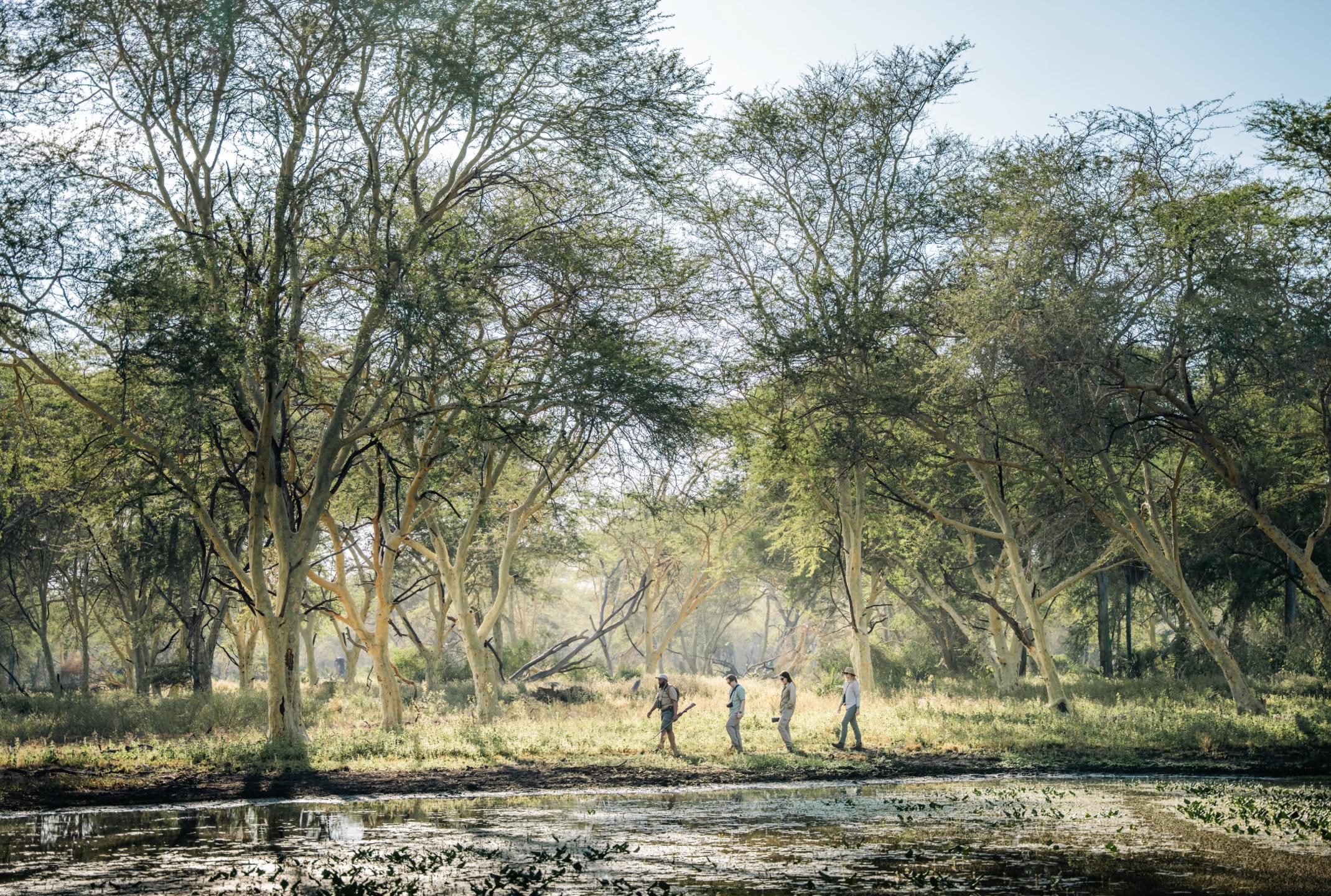
Walking in the Rift Valley – Trails lead from the lodge along the lakeshore and into the surrounding Manda Wilderness. Walks can include waterfalls, large baobab trees, viewpoints across Lake Malawi and some of the sixteen villages scattered through the region. Longer hiking and camping expeditions can also be arranged for guests wanting to explore further into the wilderness.
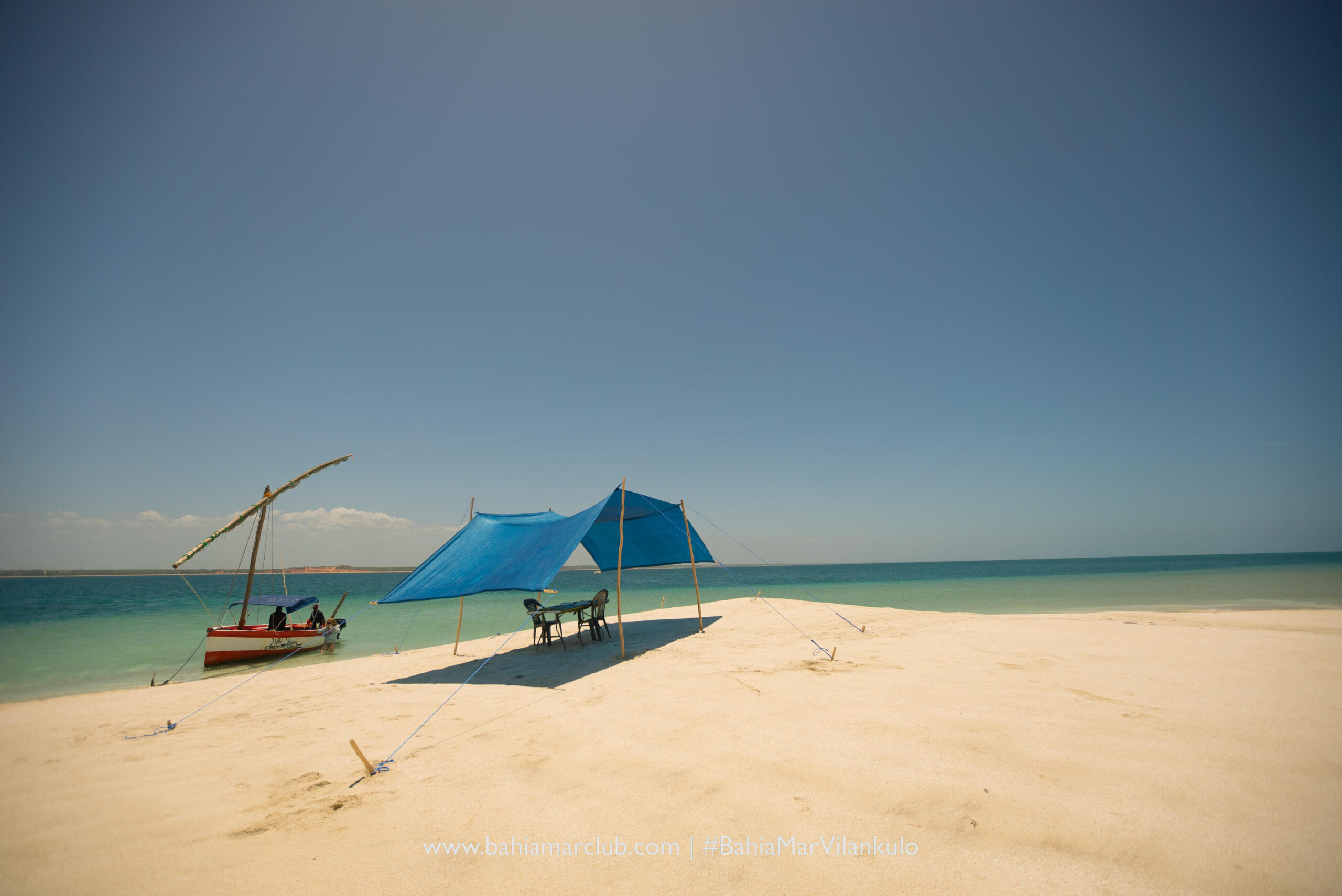
Traditional Boat Trips – Nkwichi’s wooden boat is used for excursions along the coast and sunset trips on the lake. Travelling by boat reveals sections of shoreline that are difficult to reach on foot, with granite headlands, small beaches and views west across the lake towards the mountains of Malawi.
The Star Bed – Guests can spend a night sleeping outdoors on one of Nkwichi’s beaches, with a bed prepared on the sand beside the lake. With little artificial light along this part of the Mozambican shoreline, it is a simple experience that makes good use of Nkwichi’s isolation rather than adding another constructed activity to the day.
Village Visits – Local guides can accompany guests to Nyanja villages along the lakeshore, where visits may include schools, local crafts, choirs or traditional dances depending on what is happening at the time. The guides and lodge staff come from the surrounding communities, so these visits are led by people introducing guests to their own villages and culture.
GIVING BACK
Nkwichi’s relationship with the surrounding communities goes back to the creation of the lodge. Tourism formed one part of the Manda Wilderness Project, alongside conservation and community development. The lodge’s 650-hectare concession protects four kilometres of shoreline, while work with neighbouring communities helped establish the much larger 225,000-hectare Manda Wilderness Community Conservation Area. Local communities agreed measures to reduce hunting, uncontrolled fires and timber cutting while developing alternatives through agriculture and tourism.
For many years the community-development element was delivered through the Manda Wilderness Community Trust. Its projects included the construction of 13 primary schools, the district’s first maternity clinic and first girls’ boarding house, as well as agricultural training for more than 500 farmers and vocational and small-business programmes. The Trust itself closed in 2022 following the effects of the Covid pandemic, so it would be misleading to present it as an organisation still operating today. The lodge continues to support the surrounding communities through employment, local purchasing and tourism, while donations to community projects remain possible.
Nkwichi itself was built predominantly using local stone, bamboo and thatching grass. Solar panels provide its main source of power, while waste is recycled or composted where possible. These are practical measures that can be seen around the property rather than a separate conservation programme created for guests.
NKWICHI IS A REMOTE LODGE AND ACCESS REQUIRES MORE PLANNING THAN MANY MOZAMBIQUE PROPERTIES. ROUTES ARE POSSIBLE THROUGH BOTH MALAWI AND MOZAMBIQUE, WITH BOAT TRANSFERS FORMING PART OF THE JOURNEY. PLEASE ASK TRACKS SAFARIS FOR THE MOST APPROPRIATE ROUTE FOR YOUR ITINERARY.
THE LODGE HAS INTERMITTENT INTERNET ACCESS AND NO MOBILE PHONE RECEPTION.

Our expert staff are on-hand, happy to assist with any enquiry you have.

We use cookies, which are small text files, to improve your experience and analyse our website traffic.
Will you accept these cookies?
| Cookie | Duration | Description |
|---|---|---|
| cookielawinfo-checkbox-analytics | 11 months | This cookie is set by GDPR Cookie Consent plugin. The cookie is used to store the user consent for the cookies in the category "Analytics". |
| cookielawinfo-checkbox-functional | 11 months | The cookie is set by GDPR cookie consent to record the user consent for the cookies in the category "Functional". |
| cookielawinfo-checkbox-necessary | 11 months | This cookie is set by GDPR Cookie Consent plugin. The cookies is used to store the user consent for the cookies in the category "Necessary". |
| cookielawinfo-checkbox-others | 11 months | This cookie is set by GDPR Cookie Consent plugin. The cookie is used to store the user consent for the cookies in the category "Other. |
| cookielawinfo-checkbox-performance | 11 months | This cookie is set by GDPR Cookie Consent plugin. The cookie is used to store the user consent for the cookies in the category "Performance". |
| viewed_cookie_policy | 11 months | The cookie is set by the GDPR Cookie Consent plugin and is used to store whether or not user has consented to the use of cookies. It does not store any personal data. |
Any questions? We are always happy to help - drop us a line!